Disclosure: This post may contain recommended products from various brands and retailers. Some links may be affiliate links, meaning I may earn a small commission at no extra cost to you if you make a purchase. I only share pieces I truly love and believe will bring warmth and beauty into your home. These commissions help fund this blog, allowing me to continue sharing expert interior design recommendations, insights, and inspiration. Thank you for your support!
Interior design is experiencing a subtle but meaningful shift. Where bold patterns once played a central role in defining style, texture is increasingly taking precedence. This evolution reflects changing priorities around longevity, comfort, and visual calm, particularly in homes designed for long term living rather than short term impact.
Texture offers depth without noise. It creates interest through materiality, light, and touch rather than graphic repetition. This article explores why texture is replacing pattern in modern interiors, how this shift supports timeless design, and how to apply texture thoughtfully throughout the home.
Understanding the move away from pattern led interiors
Pattern has long been used to inject personality and visual interest into interiors. Wallpaper, textiles, tiles, and rugs provided contrast and energy, particularly in otherwise neutral spaces.
However, heavy reliance on pattern can quickly date a space. Patterns are often closely tied to specific design eras, making them harder to live with over time. In homes where renovation cycles are lengthening, this has become a growing concern.
As homeowners prioritise longevity and flexibility, design strategies that feel quieter and more adaptable have gained favour. Texture meets this need without sacrificing richness.
Why texture feels more timeless than pattern
Texture tends to age more gracefully than pattern because it is rooted in material rather than motif. Natural variation, irregularity, and tactile depth are less likely to feel tied to a specific moment in time.
Materials such as wood, stone, plaster, linen, and wool have been used for centuries across cultures and architectural styles. Their relevance is not trend dependent, but experiential.
Texture also responds to light rather than competing with it. As daylight shifts throughout the day, textured surfaces reveal depth and shadow, creating a dynamic yet restrained environment.
The role of wellness and visual calm
The rise of texture over pattern is closely linked to wellness driven design. Busy patterns can contribute to visual overstimulation, particularly in spaces where people seek rest or focus.
Texture introduces interest without demanding attention. It allows the eye to rest while still engaging the senses. This balance supports emotional comfort and reduces subtle stress.
In homes that serve multiple functions, from work to relaxation, this visual calm is increasingly valued.
How texture creates depth in neutral spaces
As neutral colour palettes continue to dominate modern interiors, texture has become essential for preventing spaces from feeling flat or monotonous.
Layering different textures within a similar colour family creates depth and complexity. A textured wall finish, soft upholstery, natural fibre rug, and matte stone surface can coexist without visual conflict.
This approach allows neutrals to feel rich and intentional rather than bland, supporting both modern and traditional spaces.
Natural materials as the foundation of textured design
The shift toward texture has reinforced the use of natural materials. These materials inherently offer variation and tactile interest that manufactured patterns often attempt to replicate.
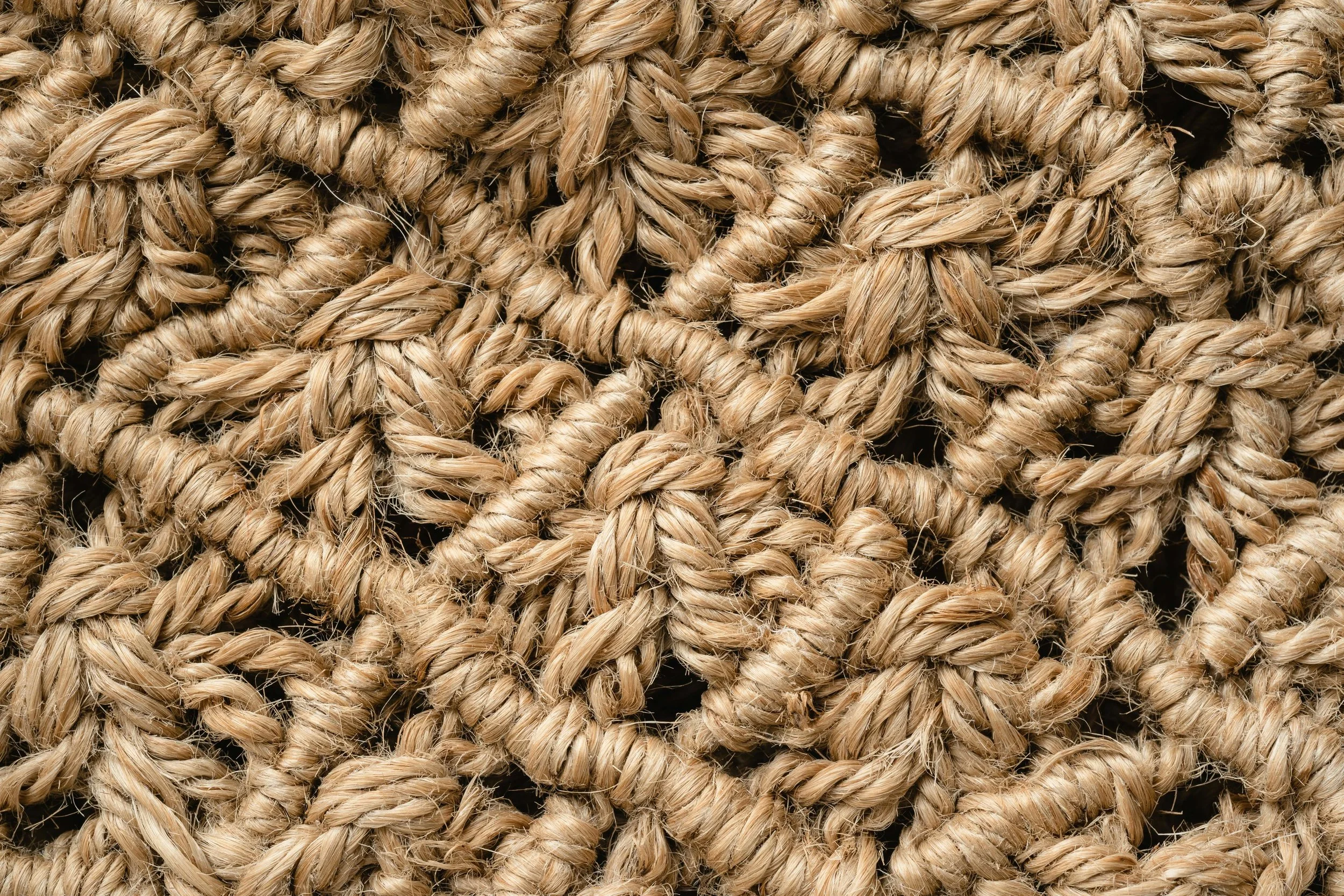
Wood grain, stone veining, woven fibres, and hand applied finishes bring authenticity and warmth. Their imperfections contribute to character rather than detract from it.
Using natural materials also aligns with sustainability and long term thinking, as these surfaces tend to wear in rather than wear out.
Texture across architectural surfaces
Texture is no longer limited to furnishings and accessories. Architectural surfaces are increasingly used to introduce depth.
Plaster and limewash walls create soft movement and tonal variation. Fluted or reeded millwork adds rhythm without graphic repetition. Honed stone and textured tiles provide subtle interest in kitchens and bathrooms.
These applications allow texture to feel integral to the architecture rather than decorative.
Furniture and upholstery as textural anchors
Furniture plays a key role in balancing texture within an interior. Upholstered pieces in wool, bouclé, linen, or leather add comfort and visual softness.
Rather than relying on patterned fabrics, designers are choosing materials with depth and hand feel. This makes furniture more versatile and easier to integrate into evolving spaces.
Textured furniture also encourages use, reinforcing the idea of the home as a lived in environment rather than a styled one.
Using pattern sparingly and intentionally
The move toward texture does not require eliminating pattern entirely. Instead, pattern is used more selectively and with greater intention.
Subtle, low contrast patterns or those derived from natural forms can complement textured environments without overwhelming them. When pattern is introduced, it often appears in smaller doses or in elements that are easy to change.
This restraint allows pattern to feel purposeful rather than dominant.
How lighting enhances textured interiors
Lighting plays a crucial role in how texture is perceived. Grazing light, directional fixtures, and layered illumination reveal surface variation and depth.
Soft, diffused lighting enhances the warmth of textured materials, while harsh or overly uniform lighting can flatten them.
Designing lighting alongside material choices ensures that texture is experienced fully rather than lost.
Texture as a response to long term living
As homeowners invest in spaces they plan to inhabit for many years, design decisions are becoming more considered. Texture supports this mindset by offering adaptability.
Textured interiors can accommodate changing furnishings, artwork, and personal style without requiring a full redesign. They provide a stable, versatile backdrop that evolves naturally.
This flexibility makes texture especially appealing in primary residences and long term family homes.
Common mistakes when designing with texture
One common misconception is that more texture always leads to better results. Without balance, too many competing textures can feel heavy or chaotic.
Successful textured interiors rely on cohesion. Limiting the number of materials and repeating them thoughtfully creates harmony.
Another mistake is ignoring scale. Fine textures and large scale textures should be balanced to avoid visual imbalance.
The future of texture led interiors
Texture is likely to remain central to interior design as priorities continue to shift toward wellbeing, sustainability, and longevity.
Future applications may explore innovative natural materials, handcrafted finishes, and subtle technological advancements that enhance tactile experience without visual excess.
Rather than replacing pattern entirely, texture will continue to redefine how interest and personality are expressed in the home.
Conclusion
The shift from pattern to texture reflects a deeper evolution in interior design. It prioritises experience over impact, longevity over novelty, and comfort over visual noise.
By embracing texture, homeowners can create spaces that feel rich, calm, and adaptable. When applied thoughtfully, texture offers a timeless foundation that supports modern living while remaining deeply human.
Read More…
“I believe that if you are true to expressing yourself, coupled with the right amount of discipline and routine, your space can reflect your personality, and you can turn your home into your haven.”

The Complete Client Experience Template System
Discover a comprehensive, fully customisable suite of templates designed to guide you through every phase of your interior design projects.
From onboarding to approvals, proposals to presentations, this system supports a smoother, more polished process at every step.
Whether you're just starting out or refining your workflow, these templates help you lead with clarity, save time, and elevate your client experience from day one.