Designing Homes for Slower Living: Interior Design Principles That Support Calm and Balance
Disclosure: This post may contain recommended products from various brands and retailers. Some links may be affiliate links, meaning I may earn a small commission at no extra cost to you if you make a purchase. I only share pieces I truly love and believe will bring warmth and beauty into your home. These commissions help fund this blog, allowing me to continue sharing expert interior design recommendations, insights, and inspiration. Thank you for your support!
Designing for slower living has become an increasingly important focus in residential interiors. As daily life grows more fragmented and fast paced, many homeowners are seeking spaces that encourage presence, rest, and intentional use rather than constant stimulation. Interior design plays a critical role in shaping this experience.
Slower living is not about doing less, but about creating environments that support clarity, comfort, and meaningful routines. This article explores how interior design principles can help cultivate a calmer pace of life at home while remaining practical and enduring.
Understanding slower living in the context of home design
Slower living reflects a shift in values rather than a design style. It prioritises quality over quantity, intention over impulse, and wellbeing over visual impact.
In the home, this translates to spaces that feel grounded and supportive rather than demanding attention. Design choices are made with longevity and daily experience in mind rather than trend cycles.
Slower living does not require minimalism. Instead, it encourages thoughtful editing and a deeper connection to the spaces we inhabit.
Why the desire for slower living is growing
The push toward slower living is driven by both cultural and personal factors. Increased screen time, blurred work life boundaries, and constant connectivity have heightened the need for restorative environments.
Homes are now expected to support a wider range of activities, from focused work to rest and social connection. Without intentional design, this overlap can feel overwhelming.
Slower living interiors respond by reducing friction, visual noise, and unnecessary complexity, allowing the home to function as a place of balance.
Reducing visual overstimulation
Visual calm is essential for slower living. Spaces filled with competing colours, patterns, and objects can subtly increase stress and mental fatigue.
A restrained colour palette, consistent materials, and cohesive finishes help create a sense of order. This does not mean eliminating personality, but rather curating it carefully.
Storage plays a key role. Adequate, well planned storage allows everyday items to be tucked away, supporting visual clarity without sacrificing functionality.
Designing layouts that encourage presence
The way rooms are arranged influences how they are used. Slower living benefits from layouts that feel intuitive and human scaled.
Defined zones for different activities reduce the sense of constant multitasking. Even in open plan homes, subtle boundaries help signal shifts in function and mood.
Furniture placement can encourage presence by supporting conversation, rest, or focus rather than constant movement.
Choosing materials that ground the space
Materiality has a profound impact on how a home feels. Natural materials tend to feel more grounding and emotionally supportive than highly processed alternatives.
Wood, stone, linen, wool, and clay introduce texture and variation that engage the senses without overwhelming them. These materials also age gracefully, reinforcing a sense of continuity.
Finishes that reflect light softly rather than sharply contribute to a calmer atmosphere.
Using colour to support emotional balance
Colour influences mood and perception in subtle but powerful ways. Slower living interiors often rely on muted, nature inspired tones that promote ease.
Warm neutrals, soft earth tones, and gentle variations within a limited palette create depth without stimulation. These colours respond well to changing light, maintaining balance throughout the day.
Accent colours, when used, are chosen thoughtfully and sparingly to avoid visual tension.
Prioritising comfort over formality
Comfort is central to slower living. Spaces should invite use rather than preservation.
Furniture is selected for ergonomics and softness as much as appearance. Seating encourages relaxation, and surfaces feel pleasant to the touch.
Textiles play an important role, adding warmth, acoustic softness, and tactile comfort that supports rest and focus.
Designing for intentional routines
Slower living is supported by design that accommodates daily rituals. Whether it is a morning coffee, evening reading, or shared meals, spaces that support these routines reinforce presence.
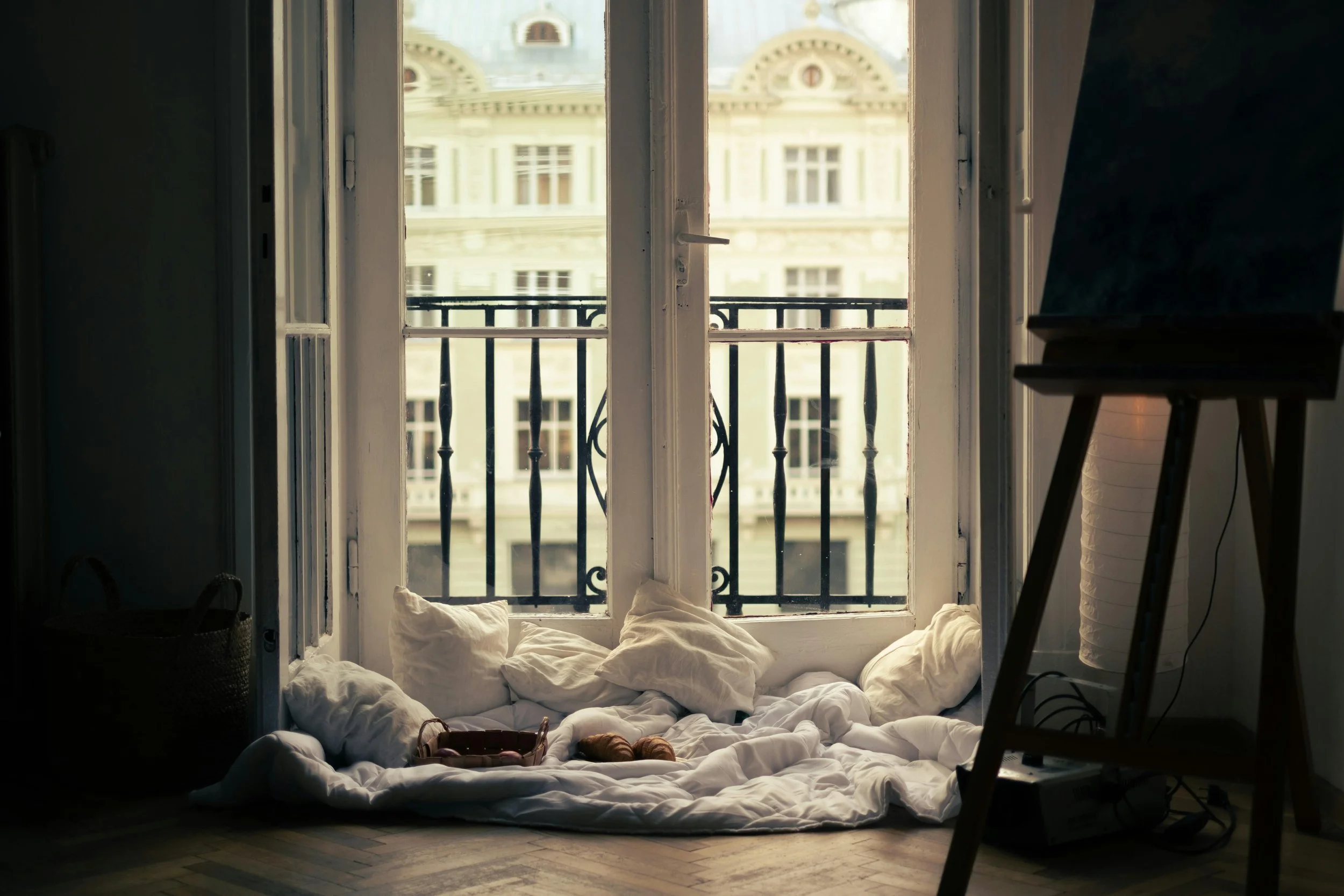
Creating small moments of purpose within the home can be as simple as a comfortable chair near a window or a dining area designed for unhurried meals.
These intentional spaces encourage repetition and familiarity, which contribute to emotional comfort.
Reducing friction in daily life
Cluttered layouts, poorly planned storage, and inefficient circulation create subtle stress. Slower living interiors aim to reduce these points of friction.
Clear pathways, intuitive storage, and thoughtful placement of functional elements support ease of movement and use.
When a home works smoothly, it allows occupants to focus on living rather than managing their environment.
Slower living and long term design thinking
Designing for slower living naturally aligns with longevity. Choices are made with durability, adaptability, and long term satisfaction in mind.
Rather than frequent updates, slower living encourages spaces that evolve gradually. This reduces waste and fosters a deeper connection to the home.
This approach supports both environmental responsibility and emotional wellbeing.
Avoiding common misconceptions
Slower living is sometimes mistaken for a lack of ambition or refinement. In reality, it requires a high level of intention and discernment.
The goal is not emptiness, but balance. Personal objects, art, and memories still have a place, provided they are curated thoughtfully.
Another misconception is that slower living requires significant renovation. Often, small changes in layout, colour, or lighting can have a meaningful impact.
The future of slower living interiors
As design continues to respond to mental health and lifestyle shifts, slower living principles are likely to become more embedded in residential interiors.
Future homes may place greater emphasis on adaptability, sensory comfort, and spaces that support rest alongside productivity.
Slower living will continue to influence how designers approach layout, materiality, and atmosphere rather than appearing as a distinct style.
Conclusion
Designing homes for slower living is about creating environments that support calm, clarity, and intentional use. Through thoughtful layout, material choices, and attention to daily routines, interiors can encourage a more balanced pace of life.
Rather than resisting modern living, slower living design refines it, offering spaces that feel supportive rather than demanding. For homeowners seeking long term comfort and wellbeing, these principles provide a meaningful and enduring framework.
Read More…
“I believe that if you are true to expressing yourself, coupled with the right amount of discipline and routine, your space can reflect your personality, and you can turn your home into your haven.”

The Complete Client Experience Template System
Discover a comprehensive, fully customisable suite of templates designed to guide you through every phase of your interior design projects.
From onboarding to approvals, proposals to presentations, this system supports a smoother, more polished process at every step.
Whether you're just starting out or refining your workflow, these templates help you lead with clarity, save time, and elevate your client experience from day one.