Plaster and Limewash Walls: Why Soft, Textured Finishes Are Replacing Flat Paint
Disclosure: This post may contain recommended products from various brands and retailers. Some links may be affiliate links, meaning I may earn a small commission at no extra cost to you if you make a purchase. I only share pieces I truly love and believe will bring warmth and beauty into your home. These commissions help fund this blog, allowing me to continue sharing expert interior design recommendations, insights, and inspiration. Thank you for your support!
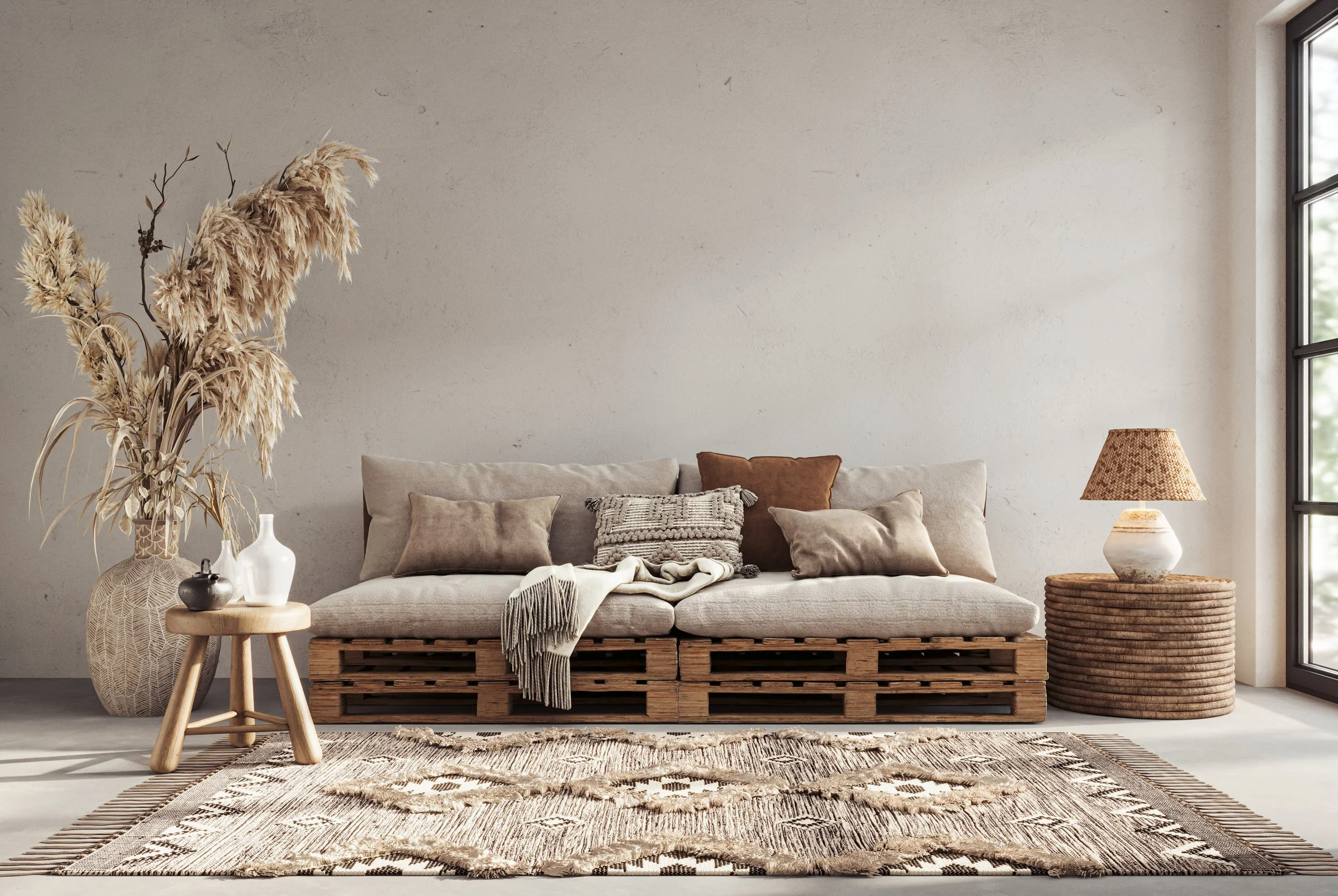
Plaster and limewash walls are becoming a defining feature of contemporary interiors, particularly in homes that prioritise warmth, depth, and longevity. As design moves away from highly polished surfaces and uniform finishes, these softer wall treatments offer a more nuanced alternative to flat paint.
This shift is not purely aesthetic. Plaster and limewash finishes respond to changing attitudes toward home, material authenticity, and sensory comfort. They create spaces that feel layered and human rather than static or overly refined. This article explores why these finishes are trending, how they function in residential interiors, and how to use them thoughtfully for long term appeal.
Understanding the difference between plaster and limewash
While often discussed together, plaster and limewash are distinct materials with different characteristics.
Limewash is a mineral based finish made from crushed limestone mixed with water and natural pigments. It penetrates porous surfaces rather than sitting on top of them, creating a soft, chalky appearance with subtle tonal variation.
Plaster finishes vary more widely and can include traditional lime plaster, clay plaster, or modern plaster systems. These are applied in layers, allowing for texture, movement, and depth that paint cannot replicate.
Both finishes share a matte, light absorbing quality that contributes to their appeal.
Why flat painted walls are losing appeal
Flat paint became popular for its clean, uniform appearance and ease of application. However, as interiors have shifted toward warmth and materiality, its limitations have become more noticeable.
Painted walls can feel static and visually flat, particularly in neutral palettes. They reflect light evenly, which can strip a space of depth and character.
In homes designed for long term living, this uniformity can begin to feel sterile. Plaster and limewash offer a way to introduce interest without relying on colour contrast or pattern.
The role of texture in creating atmosphere
Texture plays a powerful role in how a space is experienced. Plaster and limewash walls introduce subtle movement that changes with light and shadow throughout the day.
This variation adds a sense of life to the interior. Walls feel less like a backdrop and more like an active part of the architecture.
In rooms designed for rest or gathering, this softness contributes to emotional comfort, supporting a calmer and more grounded atmosphere.
Why these finishes feel timeless rather than trendy
Although plaster and limewash are trending, they are far from new. These materials have been used for centuries in residential and civic architecture across many cultures.
Their longevity lies in their simplicity and honesty. Rather than mimicking other materials, they express their own natural qualities.
Because they are not tied to a specific colour trend or motif, plaster and limewash age gracefully. They adapt to changing furnishings and styles without feeling dated.
How plaster and limewash interact with light
Light is central to the appeal of these finishes. Unlike paint, which reflects light uniformly, plaster and limewash absorb and diffuse it.
This creates gentle variation across the wall surface, enhancing architectural form and adding depth even in simple spaces.
In rooms with strong natural light, these finishes soften glare. In darker spaces, they prevent walls from feeling flat or heavy.
Lighting design should be considered alongside these finishes to ensure their texture is revealed rather than lost.
Ideal spaces for plaster and limewash walls
Plaster and limewash can be used throughout the home, but they are particularly effective in spaces where atmosphere matters most.
Living rooms and bedrooms benefit from their calming presence. Entryways gain character and a sense of arrival. Dining rooms feel more intimate and layered.
In kitchens and bathrooms, application depends on the specific product and environment. Some plaster systems are suitable for higher moisture areas, while limewash typically requires breathable substrates and careful sealing.
Colour considerations for textured wall finishes
Colour behaves differently on textured surfaces. Subtle variation in application means tones will appear lighter and darker across the wall.
Soft neutrals, earth tones, and mineral inspired colours work especially well. These hues enhance depth without drawing attention to inconsistency.
Highly saturated or very dark colours can feel heavier on textured walls and require careful consideration of light and scale.
Sampling is essential. Large test areas reveal how colour and texture interact in the specific space.
Plaster and limewash in modern interiors
These finishes are often associated with rustic or Mediterranean interiors, but they are increasingly used in modern homes.
In contemporary settings, plaster and limewash soften clean lines and balance minimalist architecture. They add warmth without compromising clarity.
Paired with modern materials such as steel, glass, and concrete, they create contrast that feels intentional and refined.
Maintenance and longevity considerations
One reason these finishes appeal to long term homeowners is their durability. Minor imperfections and wear tend to blend in rather than stand out.
Touch ups are often easier than with paint, as variation is part of the finish. Over time, the walls develop patina rather than obvious damage.
However, proper preparation and skilled application are essential. These finishes reward craftsmanship and should be approached as an investment rather than a quick update.
Avoiding common mistakes with textured wall finishes
A common misconception is that texture should be dramatic to be effective. In reality, subtlety is key.
Overly heavy texture can dominate a space and limit flexibility. The most successful applications feel quiet and natural.
Another mistake is using these finishes without considering the rest of the interior. Plaster and limewash work best when supported by cohesive materials, lighting, and furnishings.
The future of textured wall finishes
As interior design continues to emphasise sensory experience and longevity, plaster and limewash are likely to remain relevant.
Advances in formulation and application are making these finishes more accessible while maintaining their traditional appeal.
Rather than a passing trend, they represent a broader return to material authenticity and depth in residential design.
Conclusion
Plaster and limewash walls offer an alternative to flat paint that aligns with modern priorities of comfort, longevity, and visual calm. Through texture, depth, and interaction with light, they create interiors that feel layered and human.
When applied thoughtfully, these finishes provide a timeless backdrop that supports evolving lifestyles and design choices. For homeowners seeking warmth without excess, plaster and limewash walls offer a refined and enduring solution.
Read More…
“I believe that if you are true to expressing yourself, coupled with the right amount of discipline and routine, your space can reflect your personality, and you can turn your home into your haven.”

The Complete Client Experience Template System
Discover a comprehensive, fully customisable suite of templates designed to guide you through every phase of your interior design projects.
From onboarding to approvals, proposals to presentations, this system supports a smoother, more polished process at every step.
Whether you're just starting out or refining your workflow, these templates help you lead with clarity, save time, and elevate your client experience from day one.