Quiet Luxury Interiors: The Timeless Design Trend Redefining Modern Homes
Disclosure: This post may contain recommended products from various brands and retailers. Some links may be affiliate links, meaning I may earn a small commission at no extra cost to you if you make a purchase. I only share pieces I truly love and believe will bring warmth and beauty into your home. These commissions help fund this blog, allowing me to continue sharing expert interior design recommendations, insights, and inspiration. Thank you for your support!
Quiet luxury has become one of the most searched and talked about interior design concepts of the last year, and its influence shows no signs of slowing. Unlike trend led aesthetics driven by bold statements or social media spectacle, quiet luxury focuses on restraint, craftsmanship, and longevity. It is a design philosophy rooted in quality rather than excess, and it resonates strongly with homeowners seeking calm, refined spaces that age gracefully.
As people spend more time at home and become increasingly conscious of how their environments affect wellbeing, there has been a noticeable shift away from overtly decorative or trend heavy interiors. Quiet luxury answers this shift by prioritising subtlety, comfort, and timeless appeal. It is not about impressing at first glance, but about creating spaces that feel considered, confident, and deeply comfortable over time.
At its core, quiet luxury interiors are defined by what they do not do. They do not rely on logos, bold colour blocking, or fast furniture. Instead, they emphasise proportion, material integrity, and thoughtful layering. Every element has a purpose, and nothing feels rushed or overly styled.
One of the reasons quiet luxury is performing so strongly in search is that it overlaps with several other high interest topics. It connects naturally with searches around warm minimalism, timeless interiors, sustainable design, high quality materials, and wellness focused living. This makes it both trend relevant and evergreen.
The foundations of quiet luxury begin with space planning. Rooms are designed to feel open but not sparse, balanced but not rigid. Furniture layouts prioritise flow, comfort, and usability rather than filling space for the sake of it. Negative space is embraced, allowing materials and forms to breathe.
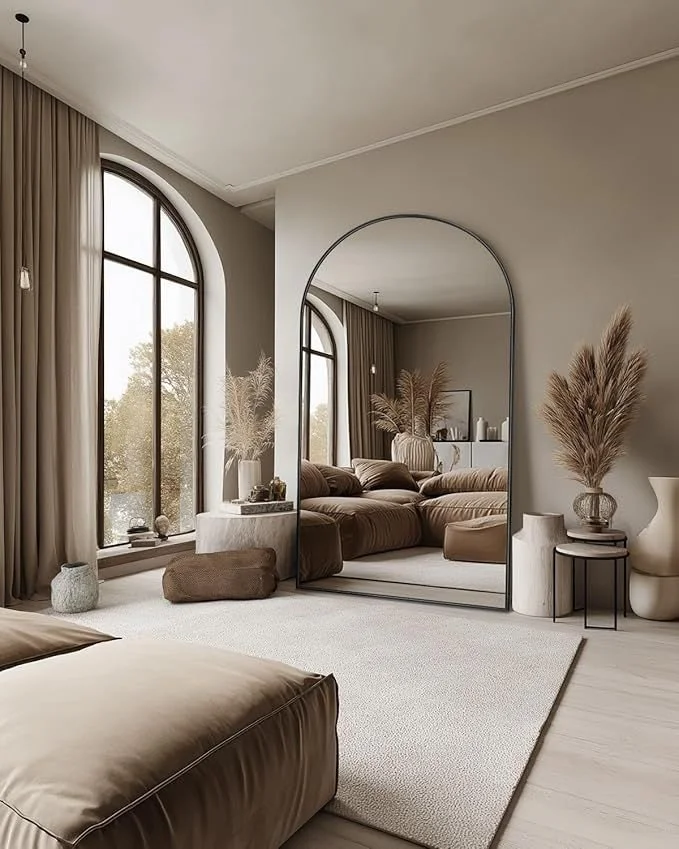
Colour palettes are intentionally restrained. Quiet luxury interiors favour soft neutrals such as warm whites, stone, taupe, greige, soft clay, muted olive, and gentle charcoal. These colours are chosen for how they respond to light throughout the day rather than how they photograph on screens. Subtle tonal variation replaces contrast, creating depth without visual noise.
Texture plays a critical role. Instead of pattern heavy decor, quiet luxury relies on layered materials to create interest. Natural stone, timber, linen, wool, boucle, leather, plaster, and unlacquered metals are common choices. These materials age well, developing patina rather than wear, which adds to the feeling of longevity and authenticity.
Furniture in quiet luxury interiors is defined by proportion and craftsmanship rather than trend. Pieces are often low profile, softly contoured, and generously scaled without feeling bulky. Sofas are deep and inviting. Dining tables are solid and substantial. Case goods feel architectural rather than decorative.
Rather than mixing many styles, quiet luxury homes often stay within a tight design language. This might mean sticking to modern silhouettes softened with organic materials, or classic forms updated through contemporary finishes. Consistency is key. When everything speaks the same visual language, the result feels calm and intentional.
Lighting is another defining element. Quiet luxury interiors avoid harsh overhead lighting and instead rely on layered, warm illumination. Soft wall lights, sculptural table lamps, concealed architectural lighting, and carefully placed floor lamps create atmosphere rather than brightness. Lighting is used to enhance texture and material rather than dominate the room.
In kitchens, quiet luxury often appears through integrated appliances, handleless cabinetry, stone worktops, and muted finishes. Joinery is seamless, details are minimal, and materials do the talking. Rather than statement backsplashes or bold colours, the focus is on refined surfaces and excellent craftsmanship.
Bathrooms follow a similar approach. Stone, microcement, tadelakt, and textured tiles replace glossy finishes. Fittings are pared back and tactile. Storage is concealed, and lighting is soft and spa like. The result feels restorative rather than showy.
Quiet luxury also aligns closely with sustainability, which further drives its popularity in search. Investing in fewer, better pieces reduces waste. Natural materials with long lifespans replace synthetics and disposable furniture. Homes designed this way evolve slowly rather than being constantly updated, which appeals to environmentally conscious homeowners.
Another reason this trend resonates so strongly is that it works globally. Quiet luxury does not rely on regional motifs or culturally specific decor. It translates well across Europe, North America, Australia, and beyond. This global adaptability makes it particularly powerful for organic search traffic.
Importantly, quiet luxury is not about creating cold or minimal spaces. It is often misunderstood as being stark or inaccessible, but in reality it is deeply human. Comfort is prioritised. Spaces feel lived in, not styled for photographs. The luxury comes from how a room feels to inhabit rather than how it looks online.
From a design psychology perspective, quiet luxury supports wellbeing. Muted palettes reduce visual stress. Natural materials connect occupants to tactile experiences. Calm environments support focus, relaxation, and emotional balance. This connection between design and wellbeing is another reason the trend continues to grow.
For homeowners, quiet luxury offers freedom from trend cycles. Instead of constantly updating cushions, paint colours, and decor, the home becomes a stable backdrop that supports life as it changes. This long term value is particularly appealing during periods of economic uncertainty, where people want their investments to last.
Designers are also embracing quiet luxury because it allows skill and expertise to shine. When there is nowhere to hide behind bold trends, success depends on proportion, detail, and material knowledge. This elevates the role of thoughtful design and reinforces professional value.
Looking ahead, quiet luxury is expected to evolve rather than disappear. It will continue to absorb influences from biophilic design, warm minimalism, and sustainable architecture. Homes will become softer, more tactile, and increasingly personal, while maintaining the core principles of restraint and quality.
Technology will play a subtle role. Smart systems will be integrated invisibly. Lighting, climate control, and acoustics will enhance comfort without visual disruption. The goal will remain the same: spaces that feel effortless, calm, and enduring.
Quiet luxury is not a trend that demands attention. It earns it quietly, over time. And that is precisely why it is performing so well in search and resonating so deeply with modern homeowners.
Read More…
“I believe that if you are true to expressing yourself, coupled with the right amount of discipline and routine, your space can reflect your personality, and you can turn your home into your haven.”

The Complete Client Experience Template System
Discover a comprehensive, fully customisable suite of templates designed to guide you through every phase of your interior design projects.
From onboarding to approvals, proposals to presentations, this system supports a smoother, more polished process at every step.
Whether you're just starting out or refining your workflow, these templates help you lead with clarity, save time, and elevate your client experience from day one.