Why Homes Are Moving Away From All White Interiors
Disclosure: This post may contain recommended products from various brands and retailers. Some links may be affiliate links, meaning I may earn a small commission at no extra cost to you if you make a purchase. I only share pieces I truly love and believe will bring warmth and beauty into your home. These commissions help fund this blog, allowing me to continue sharing expert interior design recommendations, insights, and inspiration. Thank you for your support!
All white interiors once symbolised modernity, cleanliness, and simplicity. For years, white kitchens, white walls, and white bathrooms dominated residential design, promoted as timeless and universally appealing. While white still has a place in thoughtful interiors, many homeowners are now moving away from all white schemes in favour of spaces with more depth, warmth, and emotional resonance.
This shift is not a rejection of minimalism or restraint. Instead, it reflects a more mature understanding of how interiors function over time and how colour, material, and light influence daily experience. This article explores why all white interiors are losing favour and what is replacing them.
How all white interiors became the default
The popularity of all white interiors grew alongside open concept living and modern renovation culture. White spaces photographed well, felt bright, and were easy to market as neutral and flexible.
White was also perceived as a safe choice. It paired easily with stainless steel, modern fixtures, and a wide range of furnishings. For many homeowners, it felt like a blank canvas that could adapt over time.
As these interiors became widespread, however, their limitations became more visible, particularly in real world living conditions.
Why all white interiors can feel cold or flat
In practice, all white spaces often struggle to deliver the warmth and comfort homeowners expect. Without variation in tone or material, white interiors can feel stark, especially in climates with limited natural light.
White surfaces reflect light evenly, which can flatten a space and reduce visual depth. In rooms designed for rest or gathering, this uniformity can feel emotionally distant rather than calming.
Maintenance is another challenge. All white interiors tend to show wear, marks, and daily use more readily, which can create ongoing visual tension rather than ease.
The emotional shift toward warmer, more grounded homes
The move away from all white interiors mirrors broader lifestyle changes. Homes are no longer just visual backdrops. They are places for rest, work, connection, and recovery.
As priorities have shifted toward wellbeing and comfort, homeowners are responding to how spaces make them feel rather than how they appear in isolation.
Warmer, more layered interiors feel more forgiving and human. They support relaxation and long term living in a way that stark white environments often do not.
The role of natural materials in replacing white
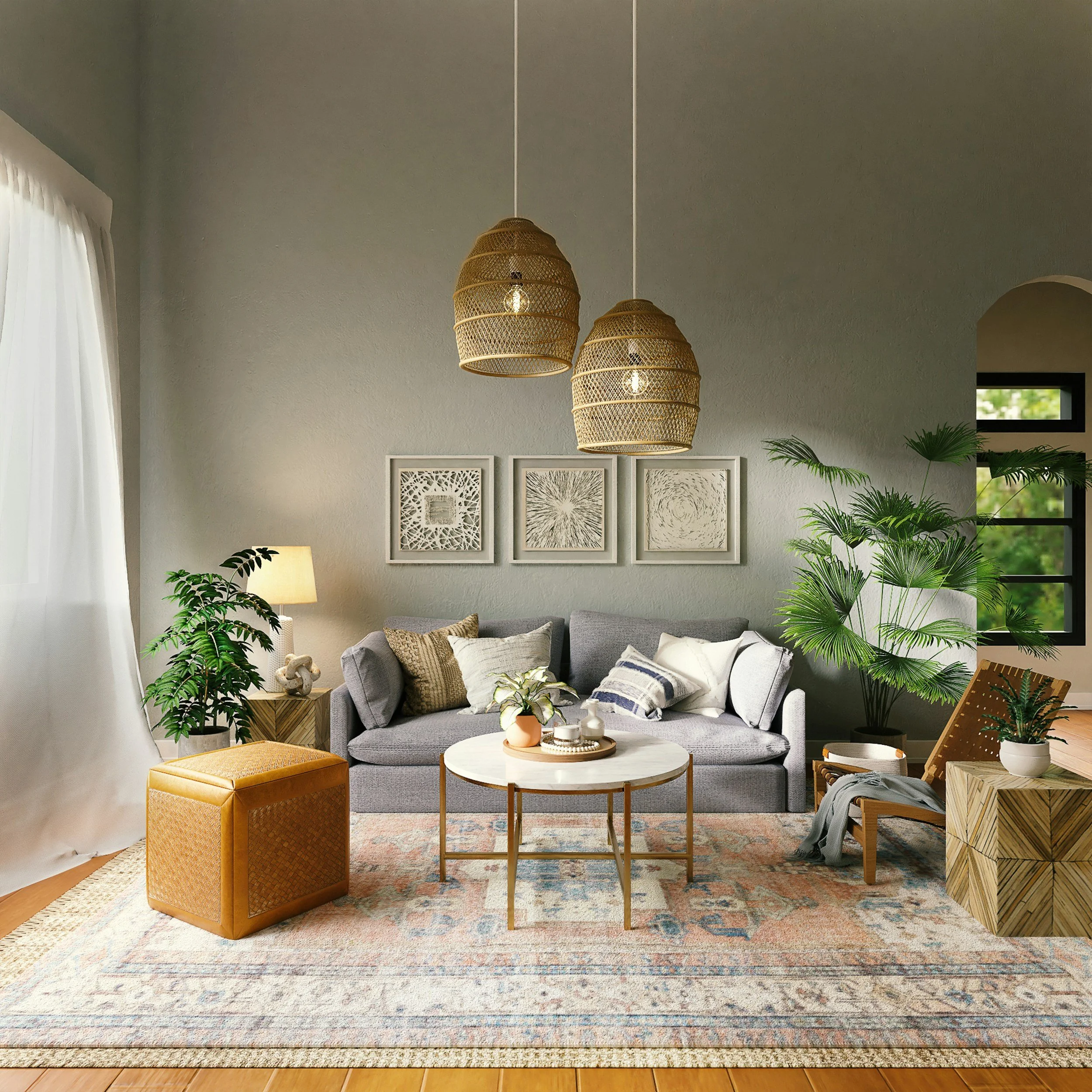
One of the most significant changes replacing all white interiors is the increased use of natural materials. Wood, stone, clay, and textured finishes introduce variation that white alone cannot provide.
These materials bring warmth through tone and texture, even when used within a restrained palette. They also age more gracefully, developing patina rather than showing wear as damage.
As natural materials become more central to design, all white schemes often feel incomplete without this grounding element.
Moving toward layered neutrals instead of pure white
Rather than abandoning light interiors altogether, many homes are transitioning to layered neutrals. These palettes still feel calm and bright but offer greater depth.
Soft whites with warm undertones, greige, taupe, sand, and stone tones create a more nuanced foundation. When layered thoughtfully, they provide visual interest without relying on contrast or colour.
This approach maintains the clarity people value while addressing the flatness of pure white.
Why white kitchens and bathrooms are being reconsidered
Kitchens and bathrooms were among the first spaces to embrace all white design, and they are now among the first to evolve.
In kitchens, white cabinetry and surfaces can feel overly clinical and high maintenance. Homeowners are increasingly drawn to wood tones, softer colours, and material contrast that feels more grounded.
In bathrooms, all white schemes often lack the warmth associated with spa like environments. Natural stone, textured tile, and warmer palettes are being introduced to create a more restorative feel.
Light, climate, and regional context
The effectiveness of white interiors depends heavily on light quality and climate. In regions with abundant natural light, white can feel expansive and fresh.
In darker climates or homes with limited daylight, white can feel cold and uninviting for much of the year. As homeowners become more attuned to their environment, design choices are becoming more context driven.
This awareness has contributed to the move away from one size fits all white interiors.
White as an accent rather than a strategy
White is not disappearing from interiors. Instead, it is being used more selectively.
White often works best as a supporting element rather than the dominant one. Trim, ceilings, or select surfaces can benefit from white without overwhelming the space.
This restrained use allows white to highlight other materials and colours rather than carrying the entire design.
Longevity and the desire for interiors that age well
All white interiors can feel dated when design preferences shift. What once felt modern can quickly feel stark or unfinished.
Layered, material led interiors tend to age more gracefully. They are less tied to a specific moment and more adaptable to evolving tastes.
This longevity is increasingly important as homeowners seek to reduce renovation frequency and invest in spaces that last.
Avoiding common mistakes when moving away from white
One common mistake is replacing white with overly dark or heavy colours without considering balance. Warmth does not require darkness.
Another is adding too many competing elements at once. Successful transitions away from white rely on cohesion and restraint.
Introducing warmth gradually through materials, texture, and undertones often produces the most enduring results.
The future of light interiors
Light filled homes will always have appeal, but they are becoming more layered and expressive.
Future interiors are likely to prioritise softness, depth, and material integrity over stark brightness. White will remain part of the palette, but rarely the entire story.
This evolution reflects a deeper understanding of how homes support daily life rather than simply how they look.
Conclusion
The move away from all white interiors represents a shift toward homes that feel warmer, more grounded, and more supportive of long term living. While white remains a valuable design tool, its dominance is giving way to layered neutrals, natural materials, and greater depth.
For homeowners seeking calm without coldness and clarity without sterility, moving beyond all white interiors offers a more balanced and enduring approach to design.
Read More…
“I believe that if you are true to expressing yourself, coupled with the right amount of discipline and routine, your space can reflect your personality, and you can turn your home into your haven.”

The Complete Client Experience Template System
Discover a comprehensive, fully customisable suite of templates designed to guide you through every phase of your interior design projects.
From onboarding to approvals, proposals to presentations, this system supports a smoother, more polished process at every step.
Whether you're just starting out or refining your workflow, these templates help you lead with clarity, save time, and elevate your client experience from day one.