Layered Lighting Design: Why Lighting Is Becoming the Most Important Element in the Home
Disclosure: This post may contain recommended products from various brands and retailers. Some links may be affiliate links, meaning I may earn a small commission at no extra cost to you if you make a purchase. I only share pieces I truly love and believe will bring warmth and beauty into your home. These commissions help fund this blog, allowing me to continue sharing expert interior design recommendations, insights, and inspiration. Thank you for your support!
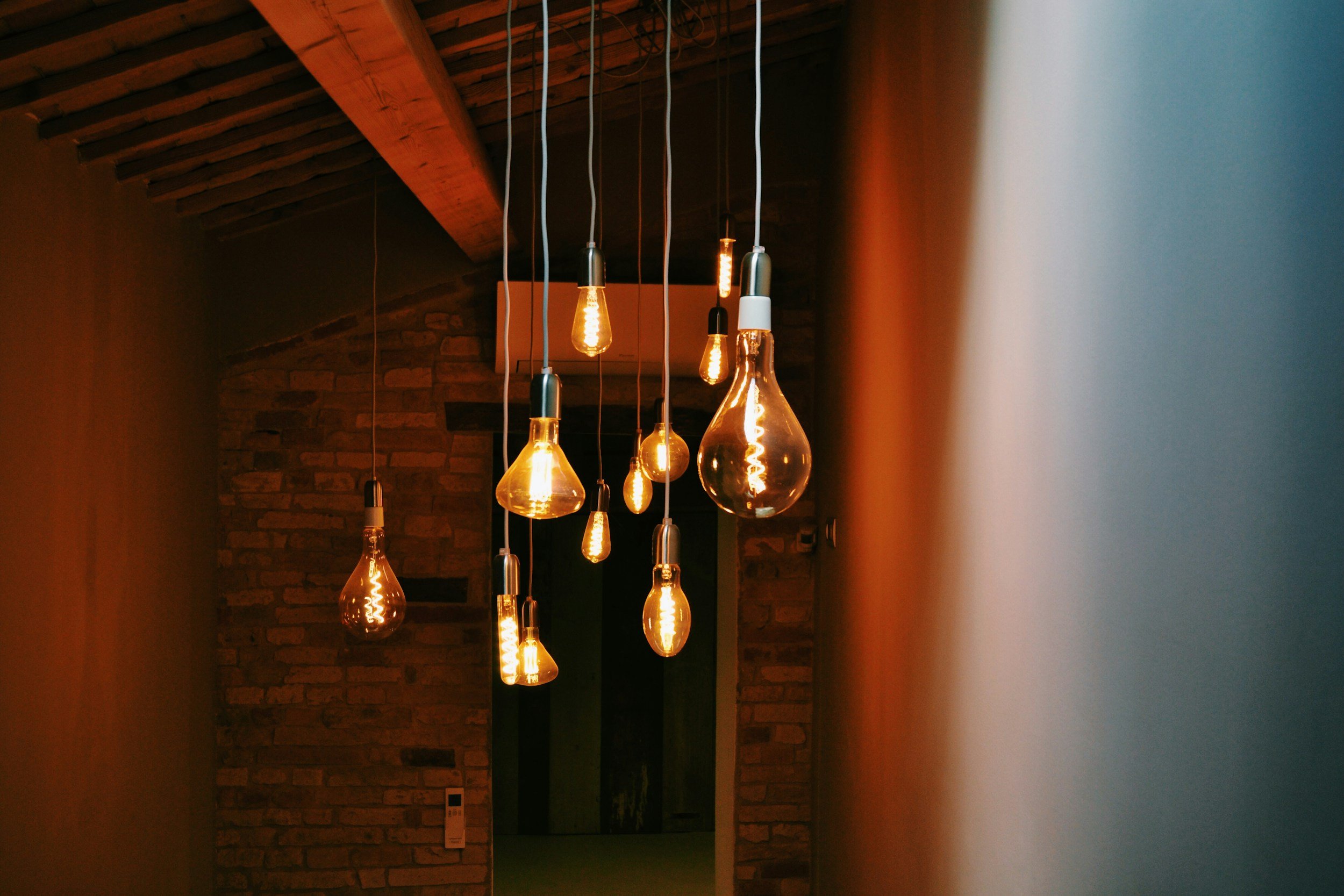
Layered lighting design is rapidly becoming one of the most searched and discussed topics in interior design, and for good reason. As homeowners become more aware of how their spaces feel rather than just how they look, lighting is being recognised as a foundational design element rather than a finishing touch.
Poor lighting can undermine even the most beautiful interior. Thoughtful lighting, on the other hand, can transform layout, enhance materials, and dramatically improve comfort and wellbeing. This article explores why layered lighting is trending so strongly, how it supports everyday living, and how to apply it in a way that feels timeless and effective.
Understanding what layered lighting actually means
Layered lighting refers to the use of multiple light sources at different levels within a space, each serving a distinct purpose.
Rather than relying on a single overhead fixture, layered lighting combines ambient, task, and accent lighting to create depth and flexibility.
This approach allows a room to adapt to different activities, times of day, and emotional needs without changing the physical space.
Why lighting is driving design conversations now
Lighting has moved to the forefront of design discussions as homes take on more roles. Spaces are no longer used in one fixed way.
A living room may function as a workspace during the day, a social area in the evening, and a place of rest at night. A single lighting solution cannot support all of these needs.
Layered lighting responds to this complexity by offering choice and control, which is why search interest continues to rise.
The problem with relying on overhead lighting alone
Overhead lighting is often the default, but it is rarely sufficient on its own. Ceiling fixtures tend to cast flat, even light that can feel harsh or clinical.
This type of lighting highlights imperfections, creates glare, and lacks atmosphere. In many homes, it contributes to fatigue rather than comfort.
Layered lighting reduces reliance on overhead fixtures, allowing them to play a supporting role rather than dominate the space.
Ambient lighting as the foundation
Ambient lighting provides general illumination and sets the overall tone of a room. In layered lighting design, it is soft and diffused rather than bright and direct.
Sources may include ceiling fixtures, wall lights, or indirect lighting that reflects light off surfaces.
The goal is to create a comfortable baseline that does not overwhelm the senses.
Task lighting that supports function
Task lighting is focused light designed to support specific activities such as reading, cooking, or working.
Table lamps, floor lamps, under cabinet lighting, and pendant lights often serve this role.
Effective task lighting improves usability while reducing eye strain, making spaces more functional and comfortable.
Accent lighting and visual depth
Accent lighting adds dimension and interest to a space. It highlights architectural features, artwork, or textured surfaces.
This layer creates contrast and depth, preventing rooms from feeling flat. Accent lighting is often subtle but highly impactful.
Used thoughtfully, it enhances the character of a space without drawing attention to the fixture itself.
How layered lighting supports emotional wellbeing
Lighting has a direct impact on mood and energy levels. Harsh or insufficient lighting can contribute to stress, while soft, adaptable lighting supports relaxation.
Layered lighting allows homeowners to adjust their environment to match emotional needs throughout the day.
This flexibility is particularly valuable in climates with long winters or limited natural light.
Warm light versus cool light
Light temperature plays a significant role in how a space feels. Cool light can feel energising, but it often becomes uncomfortable in residential settings.
Warm light tends to feel more flattering and calming, especially in living spaces and bedrooms.
Layered lighting allows different temperatures to be used strategically rather than applying one tone throughout the home.
Lighting and material interaction
Lighting reveals materiality. Textured surfaces such as plaster, wood grain, stone, and fabric come alive when lit properly.
Directional and grazing light can highlight depth and variation, while flat lighting can make materials appear lifeless.
Layered lighting enhances material choices, reinforcing the overall design intent.
The role of lighting in open plan homes
Open plan layouts benefit significantly from layered lighting. Rather than lighting the entire space uniformly, layers allow different zones to feel distinct.
A dining area may feel intimate while the living area remains relaxed, even within the same open volume.
This zoning supports function and emotional comfort without physical separation.
Common lighting mistakes that undermine interiors
One common mistake is installing too few light sources. Another is placing all lighting on a single switch.
Both limit flexibility and often result in spaces that feel uncomfortable or underwhelming.
Another frequent issue is choosing fixtures before considering how light will be used. Good lighting design begins with experience, not decoration.
Layered lighting without renovation
Layered lighting does not require rewiring or major renovation. Many improvements can be made through portable lighting.
Floor lamps, table lamps, and plug in wall lights can dramatically change how a space feels.
Even small additions can significantly improve comfort and atmosphere.
Lighting as a long term design investment
Lighting choices tend to age well when they are focused on function and quality rather than trends.
Good lighting reduces the urge for frequent updates because it supports the space as it evolves.
This makes layered lighting one of the most cost effective long term design strategies.
Why layered lighting performs strongly in search
Layered lighting resonates because it solves a common problem. Many homeowners feel their homes do not feel right, even after decorating.
Lighting is often the missing piece. As awareness grows, search interest continues to increase.
This makes layered lighting a high value topic for organic traffic.
The future of residential lighting design
As technology evolves, lighting will become even more adaptable. However, the core principles of layered lighting will remain unchanged.
Future design will likely focus on integration and control, but the need for softness, flexibility, and depth will persist.
Lighting that supports human experience will always be relevant.
Conclusion
Layered lighting design is no longer optional in modern interiors. It is a foundational element that shapes how homes function, feel, and age over time.
By combining ambient, task, and accent lighting, homeowners can create spaces that adapt to daily life and support wellbeing. Thoughtful lighting enhances every other design decision, making it one of the most powerful tools available in residential interiors.
For those seeking meaningful improvement without constant change, layered lighting offers lasting impact and exceptional value.
Read More…
“I believe that if you are true to expressing yourself, coupled with the right amount of discipline and routine, your space can reflect your personality, and you can turn your home into your haven.”

The Complete Client Experience Template System
Discover a comprehensive, fully customisable suite of templates designed to guide you through every phase of your interior design projects.
From onboarding to approvals, proposals to presentations, this system supports a smoother, more polished process at every step.
Whether you're just starting out or refining your workflow, these templates help you lead with clarity, save time, and elevate your client experience from day one.