Biophilic Interior Design: Why Bringing Nature Indoors Is More Than a Trend
Disclosure: This post may contain recommended products from various brands and retailers. Some links may be affiliate links, meaning I may earn a small commission at no extra cost to you if you make a purchase. I only share pieces I truly love and believe will bring warmth and beauty into your home. These commissions help fund this blog, allowing me to continue sharing expert interior design recommendations, insights, and inspiration. Thank you for your support!
Biophilic interior design has become one of the most searched and discussed concepts in residential design, and its popularity continues to grow. While often framed as a trend, biophilic design reflects a deeper shift in how homeowners want their spaces to support wellbeing, comfort, and long term health.
As people spend more time indoors, the connection between environment and mental state has become more visible. Biophilic design responds to this by intentionally incorporating elements of nature into the home. This article explores why biophilic interior design is surging in search demand, how it supports everyday living, and how to apply it in a way that feels timeless rather than themed.
Understanding what biophilic design really means
Biophilic design is rooted in the idea that humans have an innate connection to nature. In interior design, this translates to spaces that reflect natural patterns, materials, and rhythms rather than relying solely on artificial environments.
This does not mean filling a home with plants. Biophilic design is a holistic approach that considers light, air, materiality, views, and sensory experience.
When applied thoughtfully, biophilic interiors feel calm, grounded, and restorative rather than decorative.
Why biophilic design is trending so strongly
Search interest in biophilic interior design has increased steadily as wellness becomes a central focus of home design.
Factors driving this trend include increased time spent indoors, heightened awareness of mental health, and a desire for environments that reduce stress and support balance.
Biophilic design resonates because it addresses these concerns in a tangible, experiential way. It offers benefits that go beyond aesthetics, which contributes to its lasting appeal.
The psychological benefits of nature inspired interiors
Exposure to natural elements has been shown to reduce stress, improve focus, and support emotional regulation. Interiors that reflect natural environments can replicate some of these benefits.
Soft light, organic forms, and natural materials help regulate the nervous system. These elements create a sense of refuge that supports relaxation and recovery.
This psychological impact is one reason biophilic design continues to perform well in search and engagement.
Using natural light as a design foundation
Natural light is one of the most powerful biophilic elements in the home. Maximising daylight supports circadian rhythm, mood, and energy levels.
Design strategies include keeping window treatments light, using reflective but soft surfaces, and arranging spaces to take advantage of available light.
Where natural light is limited, layered artificial lighting that mimics daylight patterns can support similar effects.
Natural materials as the backbone of biophilic interiors
Material choice is central to biophilic design. Natural materials introduce variation, texture, and authenticity.
Wood, stone, clay, linen, and wool provide tactile comfort and visual depth. These materials age gracefully, reinforcing a sense of continuity and permanence.
Using natural materials as foundational elements supports longevity rather than trend driven design.
Organic forms and gentle geometry
Biophilic interiors often incorporate organic forms inspired by nature. Curves, irregular shapes, and softened edges feel more human and less rigid.
These forms can appear in furniture, architectural details, and decorative elements. They support visual flow and reduce tension created by sharp geometry.
This emphasis on gentle form aligns with broader shifts toward softer interiors.
The role of indoor plants and greenery
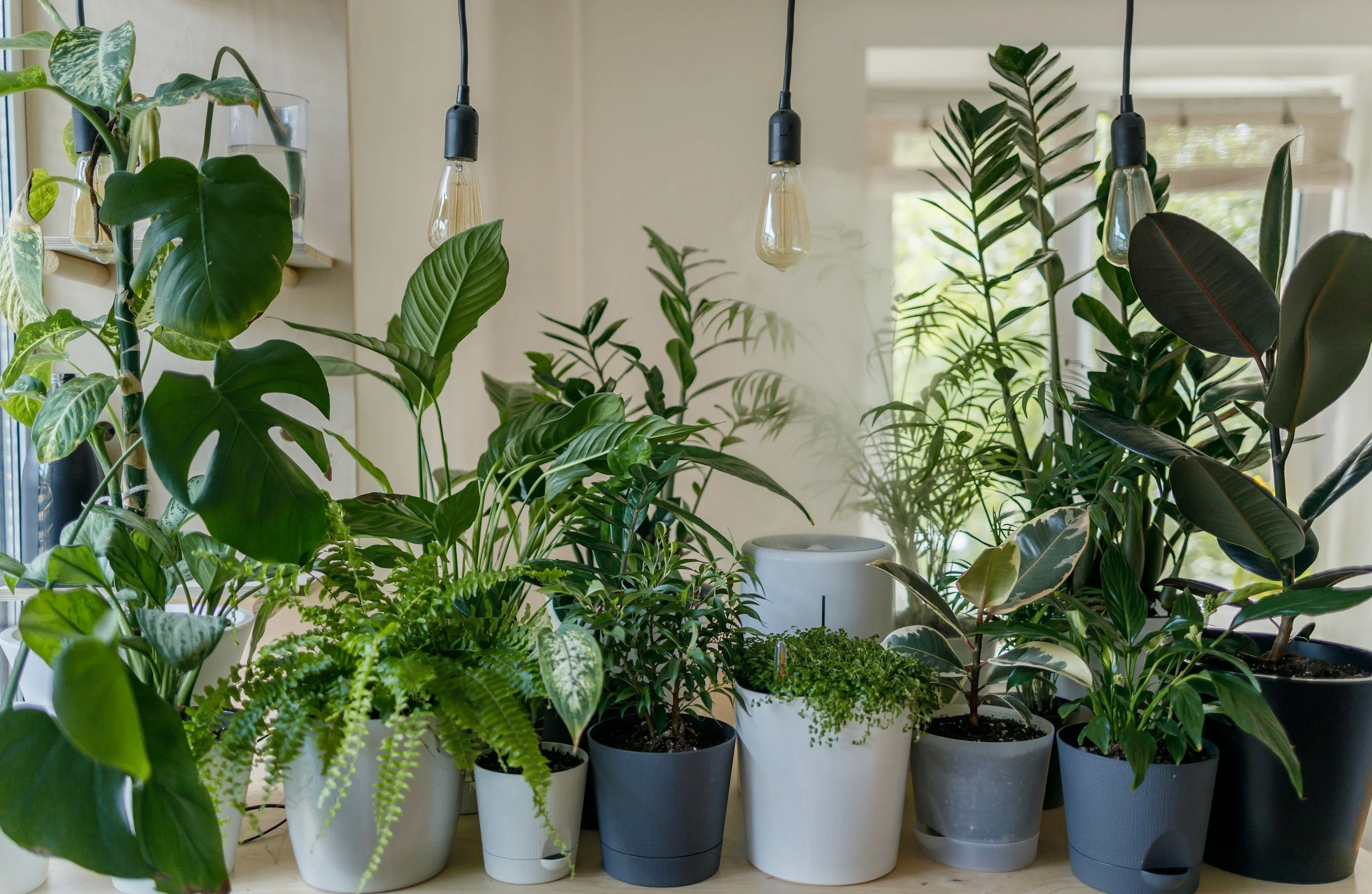
Plants are one of the most recognisable elements of biophilic design, but their role is supportive rather than dominant.
When used intentionally, plants improve air quality, add life, and create a visual connection to nature. They are most effective when integrated into the overall design rather than added as decoration.
Even minimal greenery can have a noticeable impact when the surrounding environment supports it.
Colour palettes inspired by nature
Biophilic interiors often draw from natural colour palettes. Earth tones, mineral hues, greens, and soft neutrals create a grounded atmosphere.
These colours tend to be calming and adaptable, making them suitable for long term use. They also pair well with natural materials, reinforcing cohesion.
Nature inspired palettes support visual calm without feeling monotonous.
Sound, air, and sensory comfort
Biophilic design considers the full sensory experience. Sound absorption, air quality, and temperature all influence comfort.
Soft furnishings, breathable materials, and natural ventilation contribute to a more pleasant indoor environment.
These factors are often overlooked but play a significant role in how biophilic spaces are experienced.
Biophilic design in urban and suburban homes
Biophilic principles are particularly valuable in urban and suburban settings where direct access to nature may be limited.
By introducing natural elements indoors, homes can offer a sense of escape and balance.
This adaptability across contexts contributes to the concept’s strong search performance and broad appeal.
Avoiding common biophilic design mistakes
A common mistake is treating biophilic design as a visual theme. Overusing plant motifs or decorative greenery can feel superficial.
Successful biophilic interiors integrate nature at multiple levels, from layout and light to materials and form.
Another mistake is neglecting maintenance. Sustainable biophilic design considers longevity and care requirements.
Why biophilic design aligns with long term living
Biophilic design supports wellbeing, sustainability, and longevity. These values resonate with homeowners seeking spaces that age well.
Because biophilic principles are rooted in human biology rather than style, they are less likely to feel dated.
This makes biophilic design a strong foundation for long term residential interiors.
The future of biophilic interior design
As awareness of mental health and environmental connection grows, biophilic design is likely to become more integrated rather than more decorative.
Future applications may focus on subtlety, material innovation, and deeper integration with architecture.
The core principle of reconnecting with nature will remain relevant regardless of aesthetic shifts.
Conclusion
Biophilic interior design continues to gain momentum because it responds to fundamental human needs. By bringing elements of nature indoors, homes can support calm, focus, and emotional balance.
When applied thoughtfully, biophilic design moves beyond trend status to become a lasting framework for healthier, more comfortable living environments. For homeowners seeking design that supports wellbeing and longevity, biophilic interiors offer one of the most compelling directions in contemporary design.
Read More…
“I believe that if you are true to expressing yourself, coupled with the right amount of discipline and routine, your space can reflect your personality, and you can turn your home into your haven.”

The Complete Client Experience Template System
Discover a comprehensive, fully customisable suite of templates designed to guide you through every phase of your interior design projects.
From onboarding to approvals, proposals to presentations, this system supports a smoother, more polished process at every step.
Whether you're just starting out or refining your workflow, these templates help you lead with clarity, save time, and elevate your client experience from day one.