Biophilic Interior Design: Creating Healthier, More Connected Homes
Disclosure: This post may contain recommended products from various brands and retailers. Some links may be affiliate links, meaning I may earn a small commission at no extra cost to you if you make a purchase. I only share pieces I truly love and believe will bring warmth and beauty into your home. These commissions help fund this blog, allowing me to continue sharing expert interior design recommendations, insights, and inspiration. Thank you for your support!
Biophilic interior design has moved from a niche concept to a mainstream design priority, driven by a growing awareness of how our built environments affect physical and emotional wellbeing. Rooted in the idea that humans have an innate connection to nature, biophilic design seeks to strengthen that relationship within interior spaces.
As more time is spent indoors, the demand for homes that feel restorative rather than draining has increased. Biophilic interiors respond by integrating natural elements, sensory experiences, and spatial strategies that support health, comfort, and longevity. This article explores the core principles of biophilic interior design and how they can be applied thoughtfully in residential settings.
Understanding biophilic design in a residential context
Biophilic design is often reduced to adding plants to a room, but its true scope is far broader. At its foundation, biophilic design is about creating environments that echo natural patterns and processes, supporting the way humans have evolved to interact with their surroundings.
In residential interiors, this translates to spaces that feel grounded, calming, and intuitively comfortable. Visual connections to nature, access to daylight, natural materials, and sensory richness all contribute to this effect.
Biophilic design does not require a specific architectural style. It can be applied to modern, traditional, and transitional homes alike, making it a versatile and enduring approach.
Why biophilic interiors are gaining momentum
The rise of biophilic interior design reflects shifting priorities in how people define comfort and luxury. Wellness is no longer considered an add on, but a fundamental aspect of good design.
Remote work and urban living have intensified the need for interiors that counteract stress and sensory overload. Biophilic elements help regulate mood, improve focus, and create a sense of refuge within the home.
There is also growing awareness of environmental responsibility. Designing with nature in mind encourages sustainable material choices and long term thinking, aligning personal wellbeing with broader ecological values.
Maximising natural light and views
Access to natural light is one of the most powerful biophilic strategies in interior design. Daylight supports circadian rhythms, improves energy levels, and enhances the perception of space.
Where possible, window placements, glazing, and sightlines should be optimised to bring in as much daylight as possible. Window treatments that filter rather than block light help maintain privacy without sacrificing brightness.
Views of greenery, sky, or water strengthen the connection to the outdoors. Even partial views or framed glimpses of nature can have a positive psychological impact.
In spaces with limited natural light, thoughtful artificial lighting that mimics daylight patterns can support a similar effect.
Integrating natural materials and textures
Materiality plays a central role in biophilic interior design. Natural materials introduce variation, warmth, and tactile richness that synthetic alternatives often lack.
Wood, stone, clay, cork, linen, wool, and leather are commonly used for their sensory qualities and durability. These materials tend to age gracefully, reinforcing a sense of continuity over time.
Texture is as important as appearance. Rough, smooth, soft, and solid surfaces create contrast and depth, engaging the senses and making interiors feel more dynamic and comfortable.
When selecting materials, preference is often given to those with minimal processing and visible grain or pattern, reinforcing a connection to natural origins.
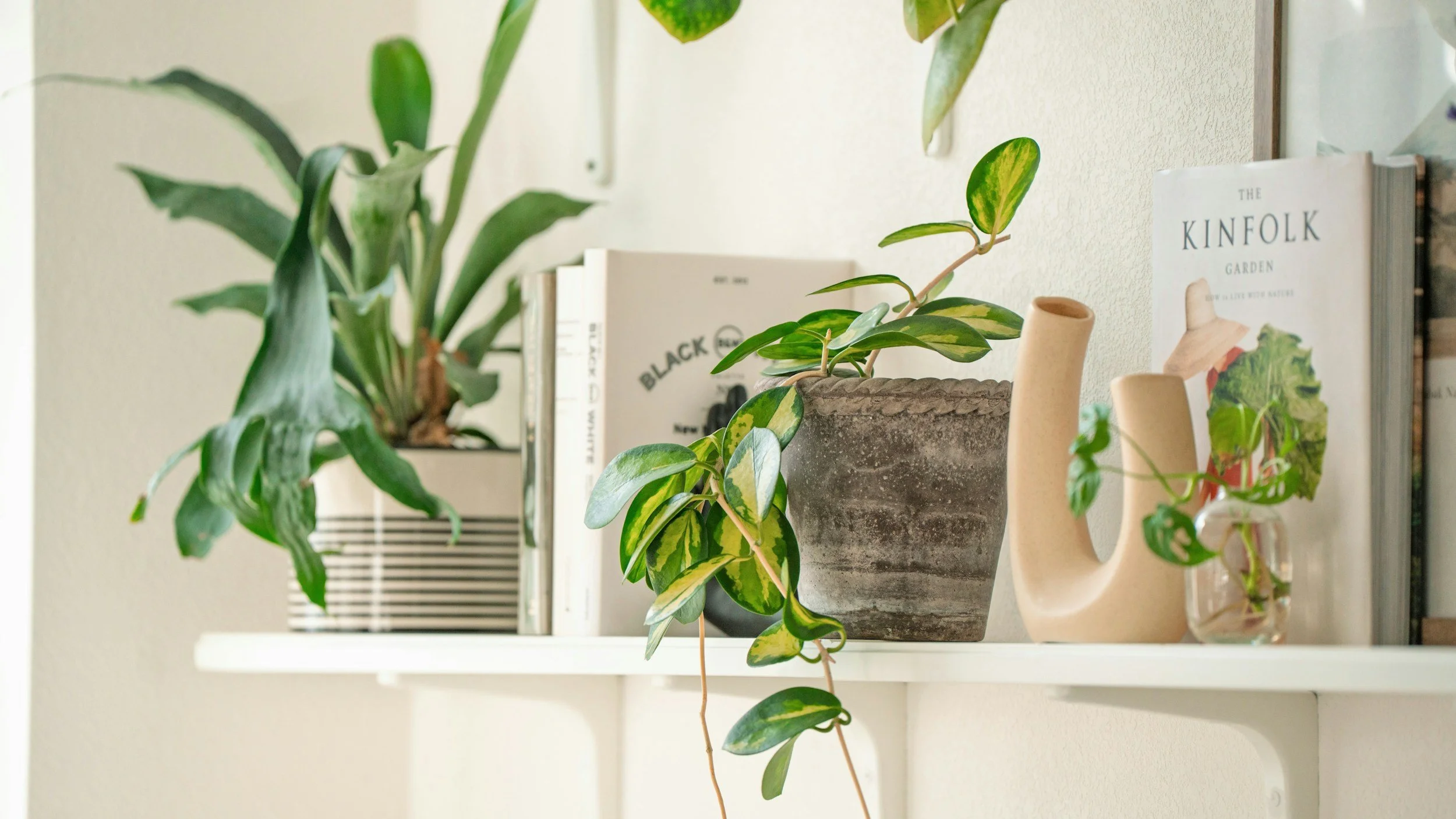
Designing with plants as living elements
Plants are a visible and effective way to introduce biophilic principles, but they should be integrated intentionally rather than treated as decorative afterthoughts.
Scale and placement matter. Larger plants can anchor a space and define zones, while smaller groupings add rhythm and softness. Vertical gardens or integrated planters can be effective in compact homes.
Plant selection should reflect the light conditions and maintenance capacity of the household. Healthy, thriving plants contribute to air quality and visual comfort, while neglected ones can have the opposite effect.
Beyond aesthetics, plants introduce subtle movement and seasonal change, reinforcing the feeling of a living environment.
Using colour palettes inspired by nature
Colour in biophilic interiors is often drawn from natural landscapes. Earthy tones, soft greens, muted blues, warm browns, and mineral inspired neutrals create a calming foundation.
These colours tend to work best when layered tonally rather than used in high contrast combinations. Subtle variation within a palette adds depth without visual strain.
Natural colour schemes also respond well to changing light conditions, maintaining balance throughout the day.
Accent colours can be introduced through natural materials, artwork, or textiles, allowing the palette to evolve without disrupting cohesion.
Encouraging sensory engagement
Biophilic design goes beyond the visual. Sound, touch, scent, and even thermal comfort contribute to how a space is experienced.
Soft furnishings, rugs, and upholstered surfaces help absorb sound and reduce echo, creating quieter, more comfortable interiors. Natural fibres enhance this effect while adding tactile interest.
Air quality and scent also influence wellbeing. Operable windows, non toxic materials, and natural ventilation support a healthier indoor environment.
Temperature variation, such as cooler stone surfaces or warmer wood underfoot, adds sensory contrast that mirrors natural conditions.
Creating spatial flow and refuge
Nature offers both openness and shelter, and biophilic interiors reflect this balance. Spaces should allow for movement and connection while also offering areas of retreat.
Open layouts benefit from defined zones that provide a sense of refuge, such as reading nooks, window seats, or softly enclosed seating areas.
Ceiling heights, transitions, and changes in material can subtly signal shifts in function without physical barriers.
This balance between prospect and refuge supports emotional comfort and intuitive use of space.
Aligning biophilic design with sustainability
Biophilic interior design and sustainability are closely linked. Both prioritise long term thinking, responsible material use, and respect for natural systems.
Choosing durable materials reduces waste and resource consumption over time. Supporting local or responsibly sourced products further strengthens this alignment.
Energy efficiency, water conservation, and passive design strategies complement biophilic principles by reducing environmental impact while enhancing comfort.
Rather than relying on surface level gestures, biophilic sustainability is embedded in the structure and function of the home.
Avoiding common pitfalls in biophilic interiors
One common misconception is that biophilic design requires a literal replication of nature indoors. Overuse of plants or themed decor can feel forced and overwhelming.
Balance is essential. Natural elements should be integrated harmoniously with the architecture and lifestyle of the home.
Another challenge is maintenance. Design choices should be realistic and sustainable for daily living. A well considered, manageable approach will always outperform an ambitious but impractical one.
The future of biophilic interior design
As research continues to highlight the connection between environment and wellbeing, biophilic design is likely to become a standard rather than a trend.
Future applications may incorporate more adaptive lighting systems, advanced sustainable materials, and deeper integration between indoor and outdoor spaces.
Despite evolving technologies, the fundamental goal will remain the same: creating homes that support human health by reconnecting with nature.
Conclusion
Biophilic interior design offers a powerful framework for creating homes that feel restorative, balanced, and deeply human. By prioritising natural light, material authenticity, sensory engagement, and spatial comfort, it supports both physical and emotional wellbeing.
Rather than a decorative style, biophilic design is a way of thinking about how interiors function and feel over time. When applied thoughtfully, it creates living environments that nurture connection, calm, and longevity.
Read More…
“I believe that if you are true to expressing yourself, coupled with the right amount of discipline and routine, your space can reflect your personality, and you can turn your home into your haven.”

The Complete Client Experience Template System
Discover a comprehensive, fully customisable suite of templates designed to guide you through every phase of your interior design projects.
From onboarding to approvals, proposals to presentations, this system supports a smoother, more polished process at every step.
Whether you're just starting out or refining your workflow, these templates help you lead with clarity, save time, and elevate your client experience from day one.