The Shift Toward Softer, More Emotional Interiors
Disclosure: This post may contain recommended products from various brands and retailers. Some links may be affiliate links, meaning I may earn a small commission at no extra cost to you if you make a purchase. I only share pieces I truly love and believe will bring warmth and beauty into your home. These commissions help fund this blog, allowing me to continue sharing expert interior design recommendations, insights, and inspiration. Thank you for your support!
Interior design is undergoing a quiet but meaningful shift. Homes are moving away from rigid, visually sharp aesthetics and toward interiors that feel softer, calmer, and more emotionally responsive. This evolution is not about abandoning modern design, but about re balancing it to better support how people actually live and feel within their spaces.
Softer, more emotional interiors prioritise comfort, sensory experience, and human scale. They reflect a deeper understanding of the home as an emotional environment rather than a visual statement. This article explores why this shift is happening and how it is reshaping residential design.
Understanding what emotional interiors really mean
Emotional interiors are not defined by sentimentality or overt warmth. Instead, they are spaces designed with awareness of how materials, light, form, and layout affect mood and behaviour.
These interiors feel supportive rather than impressive. They are calm without being bland and expressive without being overwhelming.
Emotionally responsive design considers how a space is experienced over time, not just how it appears at first glance.
Why sharper, more rigid interiors are losing appeal
For many years, contemporary interiors favoured crisp lines, high contrast palettes, and polished surfaces. While visually striking, these spaces often prioritised control and precision over comfort.
As homes have taken on more responsibility for rest, work, and recovery, the limitations of rigid design have become more apparent. Sharp contrasts and hard surfaces can feel demanding rather than restorative.
The shift toward softer interiors reflects a desire for homes that reduce tension rather than amplify it.
The role of emotional fatigue in design preferences
Emotional fatigue plays a significant role in changing design tastes. Constant exposure to screens, notifications, and external demands has increased sensitivity to environmental stressors.
At home, people are seeking relief from this intensity. Interiors that feel visually loud or physically hard can contribute to ongoing fatigue.
Softer design choices help counterbalance this, creating environments that feel emotionally neutral or even restorative.
How form and shape influence emotional response
Form has a powerful impact on how a space feels. Rounded shapes and gentle curves are generally perceived as safer and more welcoming than sharp angles.
This is one reason curved furniture, arched openings, and soft silhouettes are becoming more prevalent. These forms encourage relaxation and ease rather than alertness.
Even subtle rounding in edges or profiles can significantly change the emotional tone of a space.
Material softness and tactile comfort
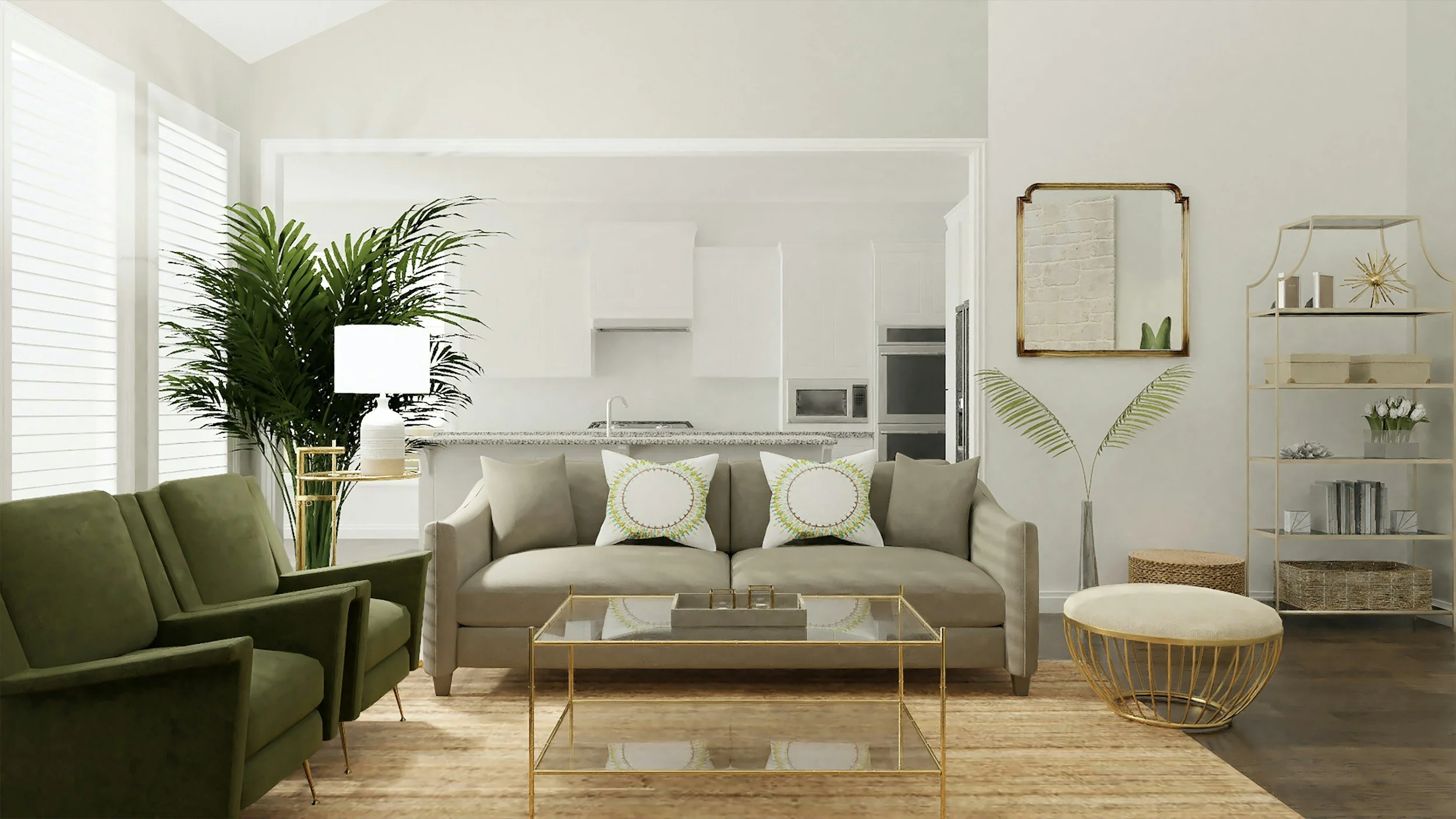
Material choice is central to emotional interiors. Softer materials absorb sound, diffuse light, and invite touch.
Textiles such as wool, linen, and bouclé add warmth and acoustic comfort. Natural materials such as wood and stone provide grounding without hardness when finished thoughtfully.
These materials create spaces that feel lived in and approachable rather than pristine and untouchable.
Colour palettes that support emotional balance
Softer interiors often rely on muted, layered colour palettes. Rather than high contrast schemes, these spaces use tonal variation to create depth.
Warm neutrals, earth tones, and mineral inspired hues feel more forgiving and adaptable over time. They respond gently to changing light and seasonal shifts.
This colour approach supports emotional balance by reducing visual tension.
Texture as emotional expression
Texture plays a key role in softening interiors. It introduces variation without demanding attention.
Plaster walls, woven textiles, and matte finishes create visual movement that feels natural rather than graphic.
This approach allows interiors to feel rich without being overstimulating, supporting emotional comfort throughout the day.
Designing for emotional transitions throughout the day
Homes now accommodate multiple emotional states, from focus and productivity to rest and connection. Softer interiors support these transitions more effectively.
Layered lighting, adaptable furniture, and flexible zones allow spaces to shift in tone without physical change.
This adaptability reduces emotional friction and supports a more intuitive daily rhythm.
The connection between softness and longevity
Softer interiors tend to age better than highly stylised ones. Their appeal is rooted in comfort and material integrity rather than novelty.
As trends shift, emotionally driven spaces remain relevant because they are aligned with human needs rather than aesthetics alone.
This longevity supports sustainability and reduces the urge for frequent renovation.
Moving away from perfection driven design
Highly controlled interiors often rely on perfection. Surfaces must remain pristine, and layouts leave little room for variation.
Softer interiors allow for imperfection. Patina, wear, and subtle variation are accepted as part of living.
This mindset reduces stress and supports a more relaxed relationship with the home.
How this shift affects modern and minimalist homes
Softer design does not reject modern or minimalist principles. Instead, it refines them.
Clean lines remain, but they are balanced with warmth. Minimalism becomes more human when paired with texture, depth, and comfort.
This evolution allows modern interiors to feel less austere and more emotionally supportive.
Avoiding common misinterpretations
One common misconception is that softer interiors lack sophistication. In reality, achieving softness requires restraint and intention.
Another is that emotional design is overly personal or subjective. While experience varies, there are well established principles that support emotional comfort universally.
Balance is key. Too much softness without structure can feel undefined, while structure without softness feels rigid.
The future of emotionally driven interior design
As design continues to respond to mental health and lifestyle changes, emotional considerations are likely to become central rather than secondary.
Future interiors will increasingly prioritise how spaces feel across seasons and life stages, not just how they present visually.
This shift signals a more mature, human centred approach to residential design.
Conclusion
The move toward softer, more emotional interiors reflects a deeper understanding of the home as an emotional environment. By prioritising comfort, material integrity, and sensory balance, interiors can support wellbeing without sacrificing clarity or refinement.
This shift is not a trend, but an evolution. Homes designed with emotional awareness tend to feel more enduring, adaptable, and genuinely supportive over time.
For homeowners seeking spaces that feel calm rather than controlled, softness offers a meaningful and lasting design direction.
Read More…
“I believe that if you are true to expressing yourself, coupled with the right amount of discipline and routine, your space can reflect your personality, and you can turn your home into your haven.”

The Complete Client Experience Template System
Discover a comprehensive, fully customisable suite of templates designed to guide you through every phase of your interior design projects.
From onboarding to approvals, proposals to presentations, this system supports a smoother, more polished process at every step.
Whether you're just starting out or refining your workflow, these templates help you lead with clarity, save time, and elevate your client experience from day one.