The Most Common Kitchen Renovation Regrets and How to Avoid Them
Disclosure: This post may contain recommended products from various brands and retailers. Some links may be affiliate links, meaning I may earn a small commission at no extra cost to you if you make a purchase. I only share pieces I truly love and believe will bring warmth and beauty into your home. These commissions help fund this blog, allowing me to continue sharing expert interior design recommendations, insights, and inspiration. Thank you for your support!
Kitchen renovations are one of the most significant investments homeowners make, both financially and emotionally. They promise improved function, increased home value, and a space that better supports daily life. Yet kitchens are also one of the most common sources of renovation regret. Decisions made quickly or without long term perspective often become pain points once the excitement wears off and real life sets in.
Understanding where homeowners most often feel disappointed allows future renovations to be approached with greater clarity and confidence. This article explores the most common kitchen renovation regrets and how thoughtful planning, restraint, and design intention can help avoid them.
Prioritising appearance over how the kitchen is actually used
One of the most frequent regrets is designing a kitchen for how it looks rather than how it functions. Visual inspiration often dominates early planning, but daily routines reveal whether the space truly works.
Layouts that look balanced on paper may feel awkward in practice if workflow has not been carefully considered. Appliance placement, prep zones, and circulation patterns all affect how comfortable the kitchen is to use.
Avoiding this regret requires honest assessment of habits. Cooking frequency, number of users, entertaining style, and storage needs should guide design decisions before aesthetics are finalised.
Underestimating the importance of layout and flow
Layout is the foundation of a successful kitchen, yet it is often constrained or compromised too early in the process.
Common layout regrets include cramped work zones, insufficient clearance between islands and cabinetry, and poorly placed appliances that interrupt workflow.
Once cabinetry and plumbing are installed, layout mistakes are difficult and costly to correct. Spending time refining layout options early, even if it delays aesthetic decisions, protects long term usability.
Choosing trends over longevity
Trends can be tempting during a kitchen renovation, particularly when they dominate design media. However, many homeowners later regret committing too heavily to highly specific finishes or layouts.
What feels current at the moment of installation can quickly feel dated or visually tiring. This often leads to dissatisfaction long before the kitchen has physically worn out.
Longevity comes from restraint. Choosing timeless materials for foundational elements allows personality to be introduced through lighting, furniture, and accessories that are easier to update.
Over committing to all white kitchens
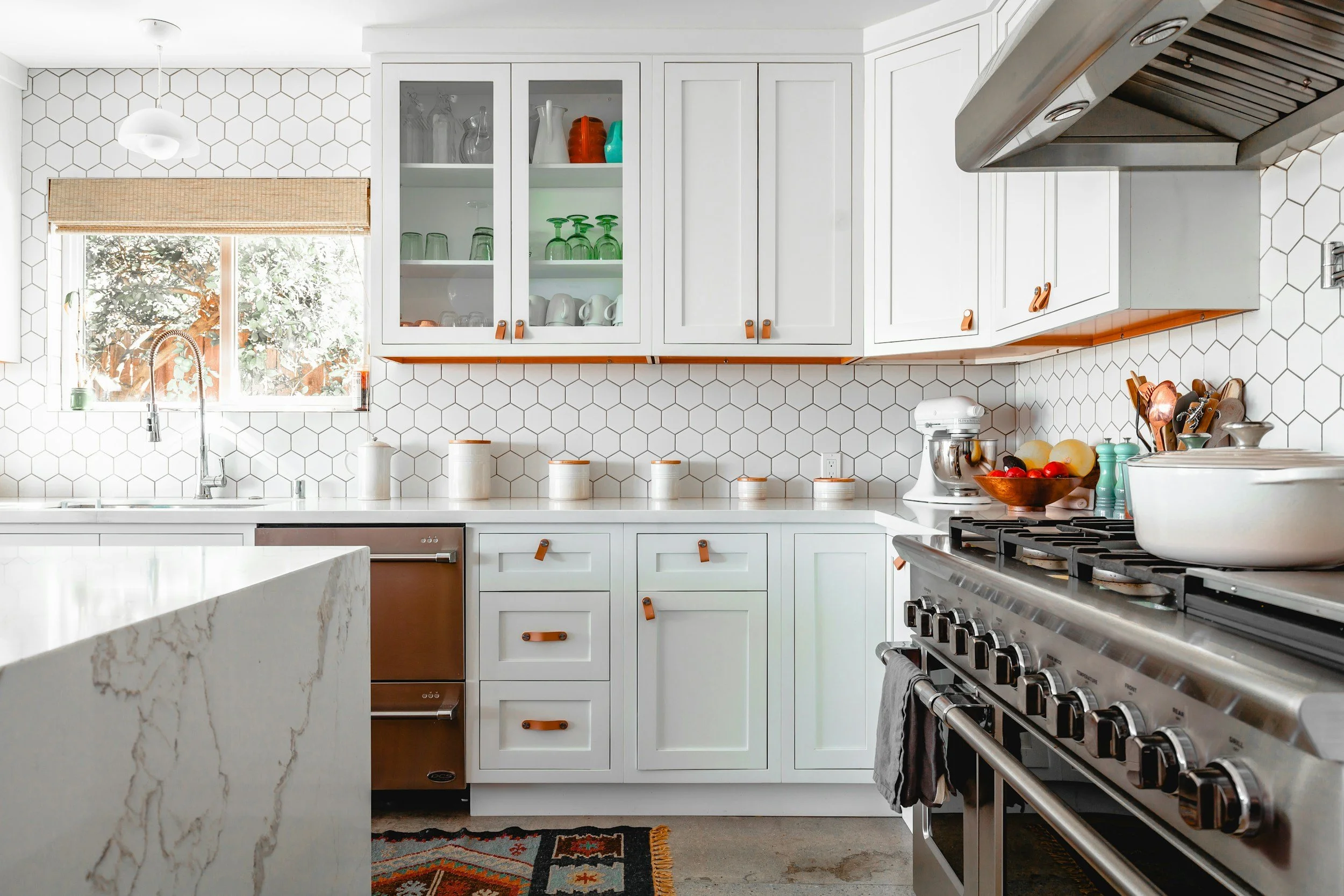
All white kitchens remain popular, but they are also a frequent source of regret. While they appear bright and clean initially, they can feel cold, flat, or high maintenance over time.
White surfaces often show wear more readily, creating ongoing visual tension. In homes with limited natural light, all white kitchens can feel stark rather than welcoming.
Layered neutrals, natural materials, and subtle contrast often provide a more forgiving and enduring alternative.
Insufficient storage planning
Storage regrets are common and often underestimated during design. Kitchens that look uncluttered in photos can struggle to accommodate real life needs.
Common issues include lack of pantry space, insufficient drawer storage, or awkward corner solutions that waste valuable space.
Effective storage planning begins with inventory. Understanding what needs to be stored, how often it is used, and where it is most convenient prevents frustration later.
Sacrificing upper cabinetry without a clear plan
Open shelving and reduced upper cabinetry are often chosen for aesthetic reasons. While visually appealing, they can create storage challenges if not balanced carefully.
Homeowners often regret removing too much closed storage, particularly when everyday items have no clear home.
A thoughtful mix of open and closed storage allows visual lightness without sacrificing practicality.
Poor lighting decisions
Lighting is one of the most overlooked aspects of kitchen design and one of the most common regrets.
Relying solely on overhead lighting can result in harsh, flat illumination that undermines both function and atmosphere. Insufficient task lighting makes food preparation uncomfortable, while poor ambient lighting affects how the kitchen feels throughout the day.
Layered lighting, including task, ambient, and accent sources, supports both usability and comfort.
Choosing materials without considering daily wear
Material regret often emerges months or years after installation. Surfaces that look refined in a showroom may not perform well under daily use.
Highly porous countertops, delicate finishes, or glossy surfaces can become sources of stress rather than enjoyment.
Choosing materials that age gracefully and support daily life often leads to greater long term satisfaction than prioritising appearance alone.
Over sizing or under sizing the island
Kitchen islands are often treated as a centrepiece, but their size and placement are critical.
An island that is too large can disrupt flow and make the kitchen feel cramped. An island that is too small may not provide meaningful function.
Island design should respond to circulation needs, seating use, and prep requirements rather than acting as a visual statement.
Ignoring ventilation and acoustics
Ventilation is often treated as a technical afterthought, yet it significantly affects comfort.
Inadequate ventilation leads to lingering odours, excess moisture, and noise issues. Loud or ineffective range hoods are a common source of dissatisfaction.
Investing in appropriate ventilation early prevents these issues and supports long term comfort.
Locking into overly bespoke solutions too early
Highly custom solutions can feel appealing, but they may reduce flexibility over time.
Fixed layouts, highly specific cabinetry, or integrated features that cannot adapt often become limiting as needs change.
Balancing bespoke design with adaptable elements allows the kitchen to evolve without requiring full replacement.
Underestimating the emotional impact of renovation fatigue
Renovation regret is not always about the finished kitchen. It can also stem from the stress of the process itself.
Rushed decisions, budget pressure, and fatigue often lead to compromises that feel acceptable at the time but disappointing later.
Allowing sufficient planning time and avoiding decision overload supports better outcomes.
Not planning for how the kitchen connects to the rest of the home
Kitchens do not exist in isolation. Poor connection to adjacent spaces can affect how the entire home feels.
Mismatched finishes, abrupt transitions, or overly utilitarian design can make the kitchen feel disconnected.
Considering the kitchen as part of the broader home environment supports cohesion and long term satisfaction.
Avoiding regret through a principle led approach
The most successful kitchens are guided by principles rather than preferences alone.
Function, flow, comfort, and longevity provide a framework that helps filter choices and reduce regret.
When decisions align with how the space will be used and how it should feel, satisfaction tends to endure.
When regret appears later and how to respond
Even well planned kitchens can reveal minor regrets over time. This does not mean the renovation has failed.
Small adjustments, such as improved lighting, added storage solutions, or edited finishes, can significantly improve experience.
Viewing the kitchen as an evolving space rather than a fixed outcome reduces pressure and frustration.
Conclusion
Kitchen renovation regrets are common, but they are also largely preventable. Most disappointment stems from prioritising speed, trends, or aesthetics over lived experience and long term use.
By approaching kitchen design with intention, restraint, and honest reflection on daily life, homeowners can avoid the most common pitfalls. A successful kitchen is not defined by how current it looks, but by how well it supports everyday living over time.
Read More…
“I believe that if you are true to expressing yourself, coupled with the right amount of discipline and routine, your space can reflect your personality, and you can turn your home into your haven.”

The Complete Client Experience Template System
Discover a comprehensive, fully customisable suite of templates designed to guide you through every phase of your interior design projects.
From onboarding to approvals, proposals to presentations, this system supports a smoother, more polished process at every step.
Whether you're just starting out or refining your workflow, these templates help you lead with clarity, save time, and elevate your client experience from day one.