Low Profile Furniture and Grounded Living: Why Interiors Are Moving Closer to the Floor
Disclosure: This post may contain recommended products from various brands and retailers. Some links may be affiliate links, meaning I may earn a small commission at no extra cost to you if you make a purchase. I only share pieces I truly love and believe will bring warmth and beauty into your home. These commissions help fund this blog, allowing me to continue sharing expert interior design recommendations, insights, and inspiration. Thank you for your support!
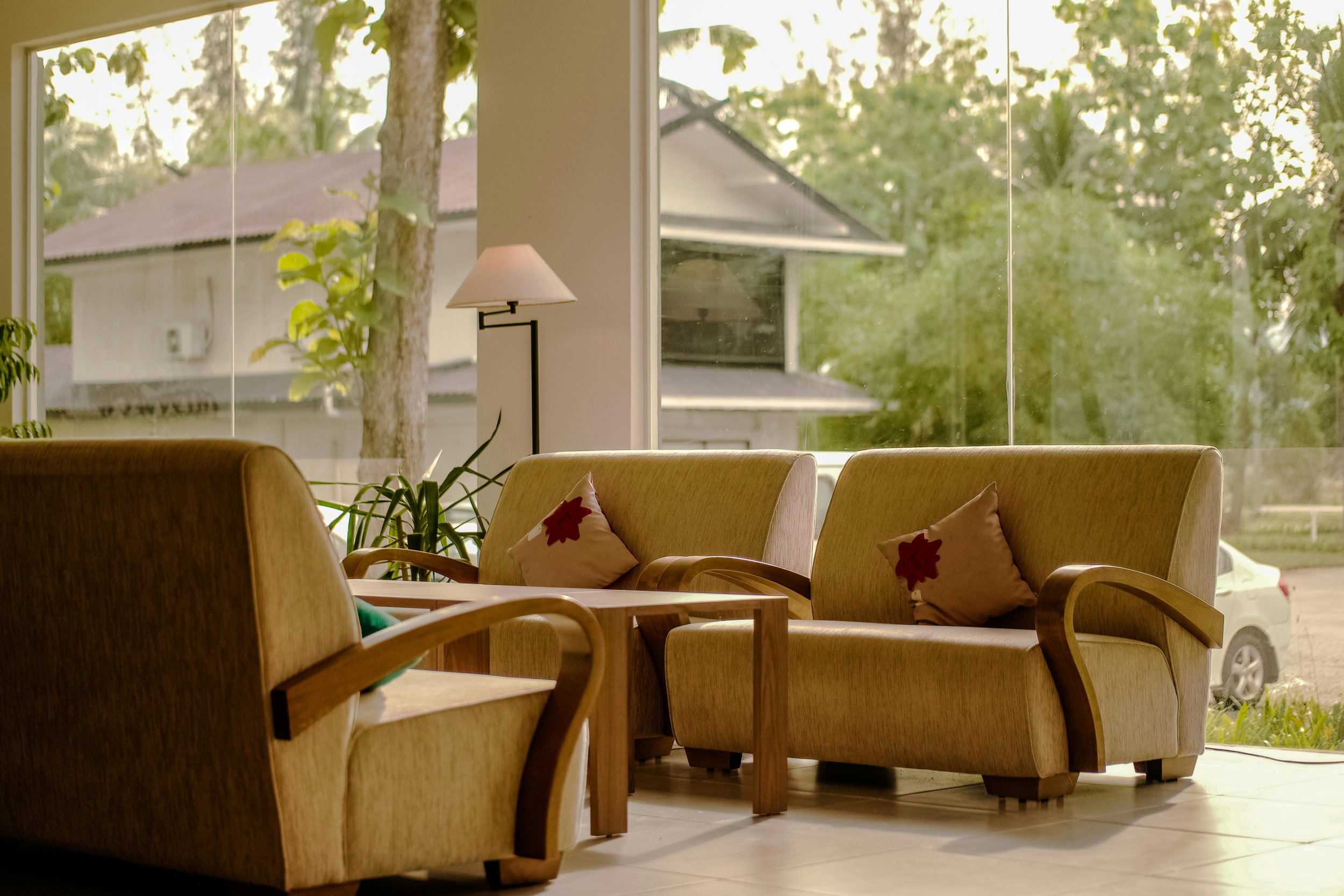
Low profile furniture is becoming increasingly prominent in contemporary interior design, reflecting a broader shift toward grounded, relaxed living. Sofas sit lower, beds feel closer to the floor, and furniture silhouettes emphasise horizontality rather than height. This movement is less about aesthetics alone and more about how people want their homes to feel.
Grounded interiors promote comfort, calm, and a sense of stability. As design continues to respond to wellbeing, longevity, and lived experience, low profile furniture offers a compelling alternative to more formal, elevated layouts. This article explores why this shift is happening and how to apply it thoughtfully in residential spaces.
Understanding the appeal of grounded living
Grounded living refers to interiors that feel anchored, calm, and physically connected to the space they occupy. Low profile furniture plays a key role in creating this effect by lowering the visual centre of gravity within a room.
When furniture sits closer to the floor, spaces often feel more expansive and relaxed. Sightlines open up, ceilings feel higher, and the overall atmosphere becomes less formal.
This approach aligns with how many people use their homes today, favouring comfort and ease over rigidity and display.
Why low profile furniture is trending now
Several factors have contributed to the rise of low profile furniture. One is the influence of global design philosophies, particularly Japanese and Scandinavian interiors, which emphasise simplicity, floor level living, and human scale.
There is also a growing desire for homes that feel restorative. Lower furniture encourages slower movement, lounging, and informal gathering, supporting more relaxed daily rhythms.
In modern architecture with higher ceilings and open plans, low profile pieces help visually balance scale, preventing rooms from feeling cavernous or impersonal.
How low profile furniture changes spatial perception
Furniture height has a significant impact on how a space is perceived. Tall, bulky pieces can fragment a room visually, while lower forms create continuity and flow.
Low profile sofas and seating allow the eye to travel across the space uninterrupted, enhancing openness. In smaller homes, this grounded approach can make rooms feel larger and less crowded.
In larger spaces, it brings intimacy, helping rooms feel more human and approachable.
Creating calm through horizontal emphasis
Modern interiors often emphasise vertical lines through windows, doors, and architectural features. Low profile furniture introduces a strong horizontal counterbalance.
This horizontal emphasis contributes to a sense of calm and stability. It visually anchors the space and reduces the feeling of upward tension.
The effect is subtle but powerful, particularly in living rooms and bedrooms where relaxation is a priority.
Choosing low profile seating thoughtfully
Low profile seating prioritises comfort, but it must be chosen carefully to ensure it supports daily use.
Seat depth, cushioning, and back support are critical. While silhouettes may be minimal, ergonomics should not be compromised.
Modular sofas, wide lounge chairs, and deep sectionals are common expressions of this trend, offering flexibility without formality.
Low profile beds and bedroom design
In bedrooms, low profile beds contribute to a grounded, serene atmosphere. They often feel more integrated into the architecture rather than standing apart from it.
This approach pairs well with minimal headboards, soft textiles, and restrained colour palettes. The result is a space that feels calm and restorative rather than visually busy.
Lower beds can also enhance the perception of ceiling height, particularly in rooms with modest proportions.
Pairing low profile furniture with material choices
Material selection plays an important role in how grounded furniture is perceived. Natural materials reinforce the sense of stability and connection.
Wood, leather, wool, and linen complement low silhouettes by adding warmth and tactile richness. Heavier visual materials, such as solid wood bases or stone accents, further anchor the space.
Avoiding overly glossy finishes helps maintain the softness and depth associated with grounded interiors.
Balancing low furniture with architectural elements
While low profile furniture promotes calm, balance is essential. Pairing everything low can make a space feel flat if not countered thoughtfully.
Vertical elements such as floor to ceiling drapery, tall shelving, or artwork can provide contrast and rhythm. The key is intentional variation rather than uniform height.
This balance ensures the space remains dynamic while retaining its grounded quality.
Low profile furniture in open plan homes
Open plan layouts benefit particularly from low profile furniture. Lower seating helps maintain visual flow between zones without creating barriers.
This allows living areas to feel connected to dining and kitchen spaces while still maintaining a sense of definition.
In multi functional rooms, low furniture supports adaptability and informal use.
The connection between low profile design and wellbeing
Grounded interiors are often associated with emotional comfort and a sense of safety. Lower furniture reduces visual dominance and encourages relaxation.
This connection to wellbeing is not accidental. Spaces designed closer to human scale tend to feel more intuitive and less imposing.
Low profile furniture supports this by aligning design with how people naturally sit, lounge, and gather.
Avoiding common mistakes with low profile interiors
One common concern is accessibility. Low furniture should be chosen with consideration for the occupants, ensuring it remains comfortable and practical.
Another mistake is using low furniture in spaces without sufficient floor coverage. Rugs and soft furnishings help visually anchor these pieces and prevent them from feeling disconnected.
Proportion is key. Furniture should suit the scale of the room rather than following a trend blindly.
The future of grounded furniture design
As interior design continues to prioritise comfort and lived experience, low profile furniture is likely to remain relevant.
Future iterations may explore modular systems, sustainable materials, and designs that balance softness with structure.
Rather than replacing traditional furniture entirely, low profile pieces will continue to offer an alternative that reflects evolving lifestyles.
Conclusion
Low profile furniture represents a meaningful shift toward interiors that feel grounded, calm, and human centred. By lowering the visual and physical centre of gravity, these pieces create spaces that support relaxation and connection.
When applied thoughtfully and balanced with architecture and materials, low profile furniture contributes to interiors that feel contemporary yet timeless. For homes designed around comfort and longevity, grounded living offers a compelling design direction.
Read More…
“I believe that if you are true to expressing yourself, coupled with the right amount of discipline and routine, your space can reflect your personality, and you can turn your home into your haven.”

The Complete Client Experience Template System
Discover a comprehensive, fully customisable suite of templates designed to guide you through every phase of your interior design projects.
From onboarding to approvals, proposals to presentations, this system supports a smoother, more polished process at every step.
Whether you're just starting out or refining your workflow, these templates help you lead with clarity, save time, and elevate your client experience from day one.