Interior Design Trends for 2026 That Will Actually Last
Disclosure: This post may contain recommended products from various brands and retailers. Some links may be affiliate links, meaning I may earn a small commission at no extra cost to you if you make a purchase. I only share pieces I truly love and believe will bring warmth and beauty into your home. These commissions help fund this blog, allowing me to continue sharing expert interior design recommendations, insights, and inspiration. Thank you for your support!
As a new year begins, interest in interior design trends naturally rises. However, many homeowners are no longer looking for fast moving aesthetics or dramatic visual shifts. Instead, there is growing demand for trends that reflect deeper lifestyle changes and offer long term value rather than short term novelty.
The most influential interior design trends emerging for 2026 are not defined by colour alone or specific products. They are principle driven shifts rooted in how people want their homes to function, feel, and age over time. This article explores the design directions gaining momentum now that are most likely to endure well beyond the year ahead.
Moving from trend driven design to value driven design
One of the most significant shifts shaping 2026 interiors is a move away from trend chasing altogether. Homeowners are becoming more selective, questioning whether design decisions will still feel relevant in five or ten years.
This change is driven by renovation fatigue, rising costs, and a desire for sustainability. As a result, trends that prioritise longevity, adaptability, and emotional comfort are gaining traction over those driven by visual impact alone.
Design is increasingly evaluated by how it supports daily life rather than how current it looks.
Warmth replacing cool modernism
Cool, high contrast modern interiors are giving way to warmer, more grounded spaces. This does not signal a return to traditional design, but rather an evolution of modernism.
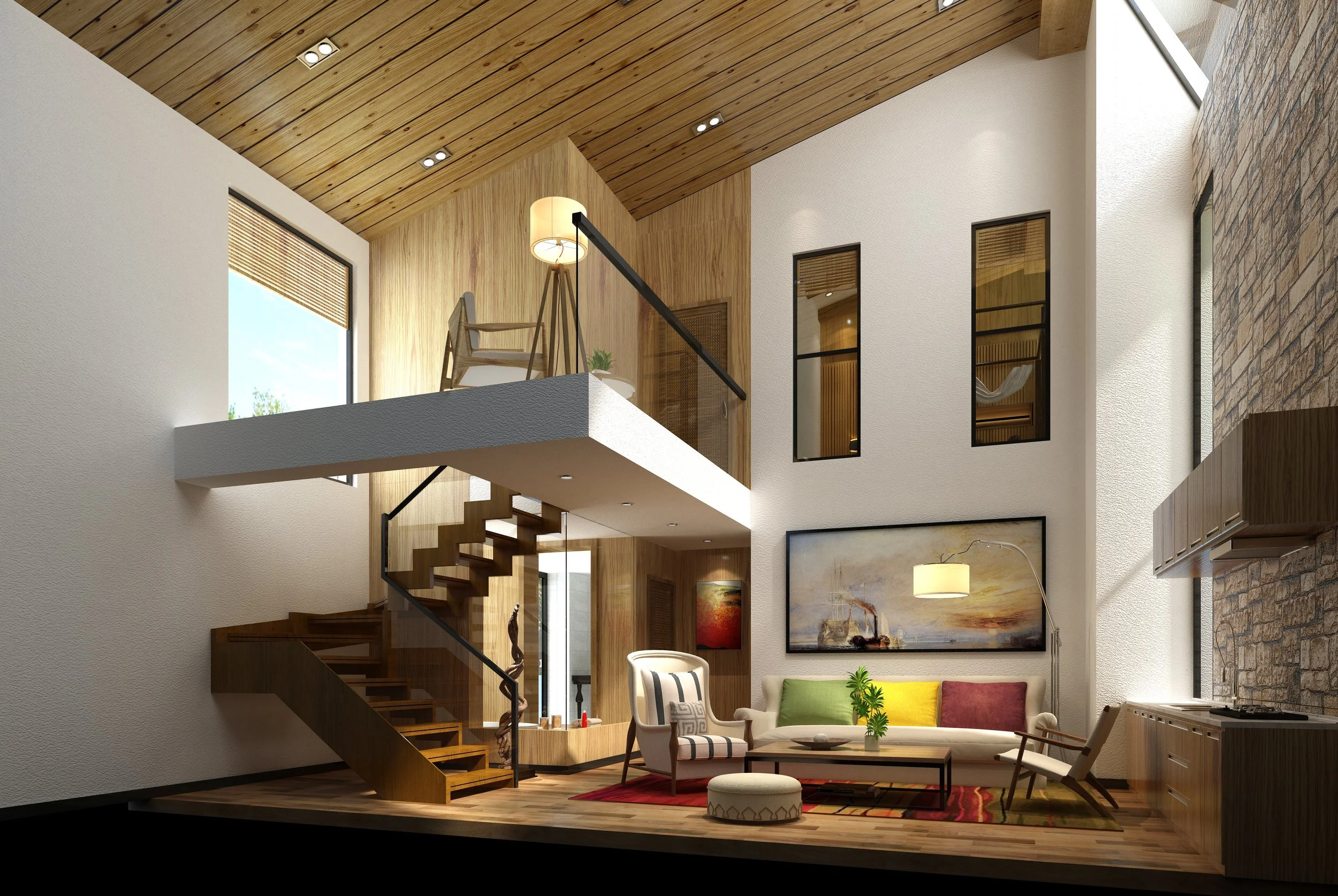
Warm neutrals, natural materials, and softer transitions are replacing stark white, cool grey, and hard edges. These choices feel more human and adaptable, particularly in climates with limited natural light.
This shift toward warmth is one of the clearest indicators of a lasting design direction.
Texture becoming more important than colour
Rather than dramatic colour statements, 2026 interiors are increasingly defined by texture. Homeowners are seeking depth through material variation rather than contrast.
Plaster walls, honed stone, natural wood grain, woven textiles, and matte finishes add interest without overwhelming the space. These textures respond to light and touch, creating interiors that feel layered and calm.
Because texture is not tied to a specific palette, it offers greater longevity than colour based trends.
A return to defined spaces with flexibility
Fully open concept homes are being reconsidered in favour of layouts that offer choice and control. Defined rooms are returning, but with a modern sensibility.
Sliding doors, cased openings, and partial separations allow spaces to open and close as needed. This flexibility supports work, rest, and social interaction without permanent division.
The trend toward adaptable separation reflects lasting changes in how homes are used.
Design that supports emotional wellbeing
Emotional wellbeing is no longer a secondary consideration in residential design. In 2026, it is shaping decisions at every level.
Homes are being designed to reduce overstimulation, support rest, and provide a sense of refuge. This includes calmer palettes, softer lighting, acoustic comfort, and layouts that reduce friction.
Design trends rooted in wellbeing are likely to endure because they address fundamental human needs.
Longevity as a form of sustainability
Sustainability in 2026 is increasingly defined by longevity rather than novelty. Homeowners are recognising that fewer renovations over time have a greater environmental impact than selecting individual eco products.
This has led to renewed interest in timeless materials, durable construction, and adaptable layouts. Design choices are made with future use in mind rather than immediate gratification.
Longevity driven design aligns sustainability with practicality.
Furniture that prioritises comfort and scale
Furniture trends for 2026 emphasise comfort, proportion, and flexibility. Oversized, rigid statement pieces are being replaced by more relaxed forms.
Low profile seating, modular sofas, and furniture that encourages lounging reflect how people actually live. These pieces prioritise use rather than display.
Because comfort rarely goes out of style, this trend has strong staying power.
Kitchens becoming more furniture like
Kitchens are continuing to move away from highly utilitarian aesthetics toward designs that feel integrated with the rest of the home.
Furniture style cabinetry, softer finishes, and less visual emphasis on appliances are gaining popularity. Kitchens are expected to feel welcoming rather than purely functional.
This shift reflects the kitchen’s role as a lived in space rather than a showcase.
Bathrooms designed for restoration, not just efficiency
Bathroom design trends for 2026 focus on restoration rather than minimal efficiency. Spa inspired principles are being applied in more subtle, accessible ways.
Natural materials, warm lighting, and tactile surfaces create environments that feel calming and personal. These spaces are designed for daily use rather than visual drama.
Bathrooms that prioritise comfort tend to age better than highly stylised ones.
A more thoughtful approach to minimalism
Minimalism is not disappearing, but it is becoming softer and more nuanced. In 2026, minimal interiors are defined less by emptiness and more by intention.
Warm minimalism incorporates texture, comfort, and personal meaning. It avoids sterility while maintaining clarity.
This evolution makes minimalism more livable and sustainable long term.
Reducing reliance on trend led finishes
Highly specific finishes that dominate a space are losing favour. Instead, homeowners are choosing foundational elements that support change.
Walls, floors, and cabinetry are designed to remain neutral and adaptable, while personality is introduced through furnishings and accessories.
This approach allows homes to evolve without major renovation, reinforcing longevity.
Why these trends are likely to last
The design directions shaping 2026 are responses to long term lifestyle changes rather than aesthetic cycles. They address how people live, work, rest, and recover at home.
Because these trends are principle based rather than product based, they are less likely to feel dated quickly.
Homes designed around warmth, comfort, flexibility, and longevity tend to remain relevant regardless of changing tastes.
Avoiding short lived trend traps
Not every emerging trend will last. Homeowners are increasingly cautious of highly specific looks that dominate social media but lack adaptability.
The key to longevity is moderation. Trends that can be integrated subtly within a broader design framework are more sustainable than those that demand full commitment.
Designing with restraint protects both investment and satisfaction.
The future beyond 2026
Looking ahead, interior design is likely to continue moving toward human centred values. Emotional comfort, adaptability, and sustainability will remain central.
Technology and materials may evolve, but the underlying desire for homes that support wellbeing is unlikely to change.
Trends that align with these values are positioned to last well beyond any single year.
Conclusion
The most enduring interior design trends for 2026 are not defined by bold statements or rapid change. They are grounded in warmth, texture, comfort, and long term thinking.
By focusing on principles rather than aesthetics alone, homeowners can create interiors that feel current now and relevant for years to come.
Design that truly lasts is design that supports life as it is lived, not just how it is displayed.
Read More…
“I believe that if you are true to expressing yourself, coupled with the right amount of discipline and routine, your space can reflect your personality, and you can turn your home into your haven.”

The Complete Client Experience Template System
Discover a comprehensive, fully customisable suite of templates designed to guide you through every phase of your interior design projects.
From onboarding to approvals, proposals to presentations, this system supports a smoother, more polished process at every step.
Whether you're just starting out or refining your workflow, these templates help you lead with clarity, save time, and elevate your client experience from day one.