How to Mix and Match Furniture Styles Without It Looking Messy
Disclosure: This post may contain recommended products from various brands and retailers. Some links may be affiliate links, meaning I may earn a small commission at no extra cost to you if you make a purchase. I only share pieces I truly love and believe will bring warmth and beauty into your home. These commissions help fund this blog, allowing me to continue sharing expert interior design recommendations, insights, and inspiration. Thank you for your support!
Why Mixing Furniture Styles Works
Rooms that rely on a single furniture style can feel predictable or impersonal. Mixing styles introduces contrast and creates a sense of history and intention.
When styles are layered thoughtfully, they help:
Reflect personal taste rather than trends
Add visual interest and depth
Make spaces feel lived-in and authentic
Prevent interiors from feeling overly matched
The goal is cohesion through contrast, not perfection.
Start With One Dominant Style
Every well-designed space needs an anchor.
Choose one primary furniture style to act as the foundation. This might be:
Modern or contemporary
Mid-century modern
Traditional or classic
Scandinavian
Industrial
This dominant style should make up around 60–70% of the furniture in the room. It creates structure and prevents the space from feeling directionless.
Once the foundation is clear, introducing secondary styles becomes much easier.
Add One or Two Complementary Styles
After establishing your main style, layer in one or two contrasting styles for interest.
For example:
Modern base with vintage accents
Traditional furniture paired with contemporary lighting
Scandinavian pieces mixed with industrial elements
Mid-century furniture combined with modern artwork
Limiting yourself to a small number of styles helps maintain balance and avoids visual overload.
Use Color to Create Cohesion
Color is one of the most powerful tools for tying different furniture styles together.
Even when styles vary, a consistent color palette can make the room feel unified.
Ways to use color effectively:
Repeat key colors across different furniture pieces
Use neutral upholstery to balance bold shapes
Introduce accent colors through cushions, rugs, or artwork
If furniture styles feel mismatched, refining the color palette often solves the issue.
Balance Old and New Furniture
Mixing old and new pieces adds depth and prevents a room from feeling overly curated.
A common approach is pairing:
Vintage or antique furniture with modern sofas
Contemporary dining chairs with a reclaimed wood table
Modern lighting with traditional case goods
Contrast works best when each piece has space to breathe. Avoid clustering all vintage or modern items in one area.
Repeat Materials and Finishes
Repetition creates rhythm.
Even when furniture styles differ, repeating materials helps the room feel intentional.
Look for opportunities to repeat:
Wood tones
Metal finishes (brass, black steel, chrome)
Upholstery textures
Stone or glass elements
For example, a traditional wood sideboard and a modern wood coffee table can still feel cohesive if their tones relate.
Vary Scale and Shape Thoughtfully
Successful mixing isn’t just about style. Scale and proportion matter just as much.
Balance works best when:
Large, heavy pieces are offset by lighter forms
Curved shapes are paired with clean lines
Tall furniture is balanced with low-profile pieces
Pay attention to visual weight, not just dimensions.
Use Rugs and Soft Furnishings to Tie Everything Together
Rugs, curtains, cushions, and throws act as visual glue.
A well-chosen rug can bridge different furniture styles by introducing shared colors or textures. Soft furnishings also allow you to experiment with pattern and contrast without committing to large furniture changes.
These elements are especially useful when mixing bold or unfamiliar styles.
Know When to Break the Rules
Design rules exist to create clarity, not restriction.
Once you understand the basics, trust your instincts. Some of the most compelling interiors break traditional style boundaries entirely.
If a piece feels right in the space and serves a purpose, it likely belongs there.
Confidence is often the difference between eclectic and messy.
Common Mistakes to Avoid
Mixing too many styles at once
Ignoring scale and proportion
Relying on furniture sets
Forgetting negative space
Choosing contrast without a unifying element
When a space feels “off,” it’s usually because there’s no clear hierarchy or repetition.
Mixing Furniture Styles Room by Room
Living Room
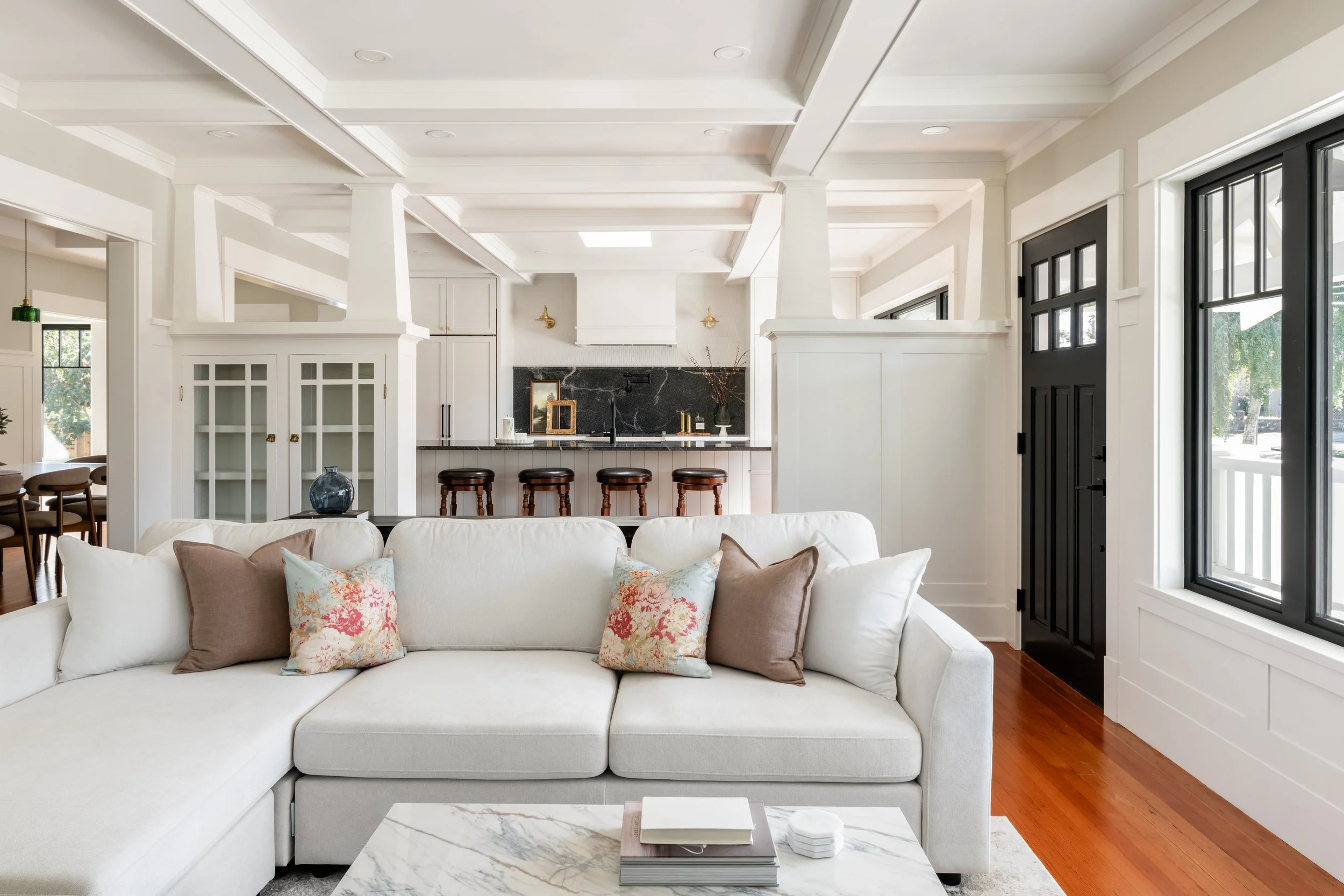
Use a strong anchor piece, such as a sofa, then layer in contrast through chairs, side tables, and lighting.
Dining Room
Mix dining chairs or pair a modern table with traditional seating for a relaxed, collected look.
Bedroom
Blend styles through nightstands, headboards, and lighting while keeping the bed itself simple.
Final Thoughts
Mixing and matching furniture styles allows you to create a home that feels personal, layered, and intentional.
By starting with a dominant style, limiting the number of secondary influences, and using color, materials, and repetition to create cohesion, you can confidently combine different furniture styles without the space feeling disjointed.
The most memorable interiors are rarely perfectly matched. They’re thoughtfully mixed, considered, and reflective of the people who live in them.
Read More…
“I believe that if you are true to expressing yourself, coupled with the right amount of discipline and routine, your space can reflect your personality, and you can turn your home into your haven.”

The Complete Client Experience Template System
Discover a comprehensive, fully customisable suite of templates designed to guide you through every phase of your interior design projects.
From onboarding to approvals, proposals to presentations, this system supports a smoother, more polished process at every step.
Whether you're just starting out or refining your workflow, these templates help you lead with clarity, save time, and elevate your client experience from day one.