How to Create a Mood Board for Interior Design
Disclosure: This post may contain recommended products from various brands and retailers. Some links may be affiliate links, meaning I may earn a small commission at no extra cost to you if you make a purchase. I only share pieces I truly love and believe will bring warmth and beauty into your home. These commissions help fund this blog, allowing me to continue sharing expert interior design recommendations, insights, and inspiration. Thank you for your support!
A mood board is an essential tool in interior design, helping you visualise ideas, define a design concept, and maintain a cohesive aesthetic before you begin making decisions. Whether you're redesigning a single room or an entire home, a thoughtful mood board streamlines the planning process and acts as a creative guide from start to finish. This guide walks you through the steps to create an effective mood board for any interior design project.
What Is a Mood Board?
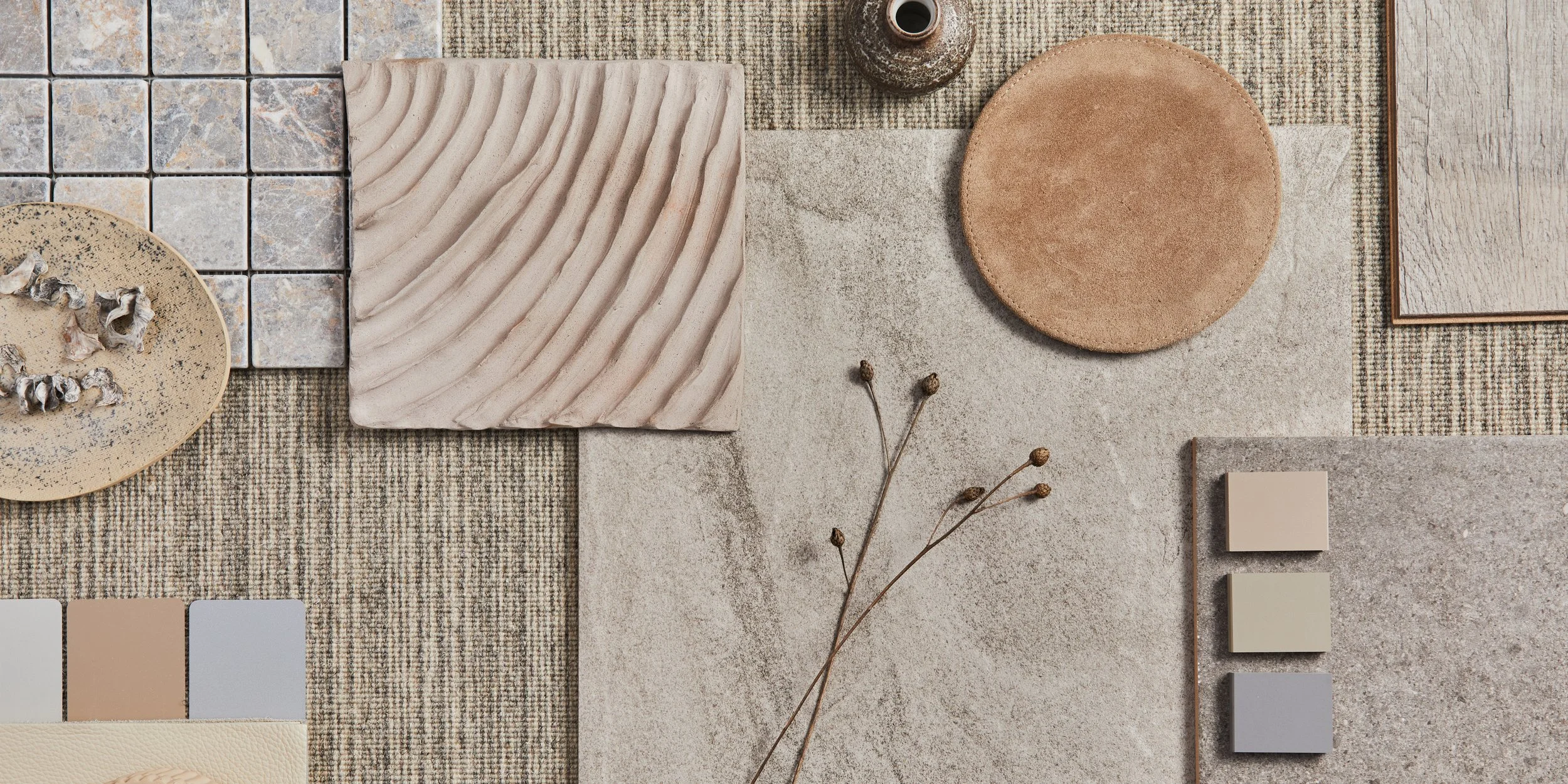
A mood board is a curated collection of images, colours, textures, and materials that reflect the overall look and feel of your design concept. It serves as a visual blueprint, helping you refine ideas, communicate your intended style, and stay consistent throughout the project.
Benefits of Using a Mood Board
Using a mood board comes with several advantages:
Clarifies Your Vision – Helps define and refine your preferred style and direction.
Ensures Cohesion – Keeps all design elements aligned across the project.
Saves Time and Money – Prevents costly mistakes by previewing combinations before committing.
Improves Communication – Makes it easier to share ideas with clients, contractors, or design partners.
Steps to Create a Mood Board for Interior Design
Step 1: Define Your Concept and Goals
Before gathering images, establish a clear direction for your project.
Think about:
The purpose of the space (e.g., a cosy living room, a modern kitchen, a minimalist bedroom).
How the room needs to function day-to-day.
The aesthetic and atmosphere you want to create.
A colour palette that supports your vision.
Step 2: Gather Inspiration
Explore a variety of sources to spark ideas:
Online platforms: Pinterest, Instagram, Houzz, and design blogs.
Print media: Interior design magazines and books.
Real-life spaces: Hotels, cafés, boutiques, and showrooms can provide unexpected inspiration.
Step 3: Choose Key Design Elements
A strong mood board usually includes the following:
Colours: Select a primary colour and several complementary shades.
Textures & Materials: Include wood tones, fabrics, metals, stone, and other finishes.
Furniture & Decor: Add reference images for sofas, tables, rugs, art, and accessories.
Lighting & Fixtures: Consider how different lighting styles support the mood you want.
Patterns & Finishes: Think wallpaper, tiles, textiles, and paint effects.
Step 4: Arrange Your Mood Board
Organise your chosen elements in a layout that is visually clear and balanced.
Digital boards: Tools like Canva, Adobe Photoshop, and Pinterest make it easy to rearrange elements and try new combinations.
Physical boards: Print images, gather swatches, and assemble materials on a cork board or foam board.
Try grouping similar elements together and placing colours next to textures to get a sense of how they complement one another.
Step 5: Refine and Finalise
Once your board is assembled, step back and review it with fresh eyes.
Remove anything that doesn’t fit your concept.
Adjust the balance of colours or textures as needed.
Ensure that the overall mood reflects your original goals.
Share it for feedback if you’re working with others.
Digital vs. Physical Mood Boards
Digital and physical boards both have unique strengths. Digital mood boards are easier to edit and share, making them ideal for collaborative projects or early experimentation. Physical mood boards, on the other hand, allow you to incorporate real materials and textures, giving you a more tactile sense of how elements will work together in the finished space.
Final Thoughts
Creating a mood board is one of the most effective ways to refine your interior design vision. Whether you prefer working digitally or hands-on with real materials, assembling colours, textures, furniture, and decorative elements in one place ensures a more intentional and cohesive design. Follow these steps, and you’ll be well-equipped to bring your home design ideas to life with clarity and confidence.
“I believe that if you are true to expressing yourself, coupled with the right amount of discipline and routine, your space can reflect your personality, and you can turn your home into your haven.”

The Complete Client Experience Template System
Discover a comprehensive, fully customisable suite of templates designed to guide you through every phase of your interior design projects.
From onboarding to approvals, proposals to presentations, this system supports a smoother, more polished process at every step.
Whether you're just starting out or refining your workflow, these templates help you lead with clarity, save time, and elevate your client experience from day one.