Granite vs. Quartz: Which is the Best Countertop for Your Kitchen?
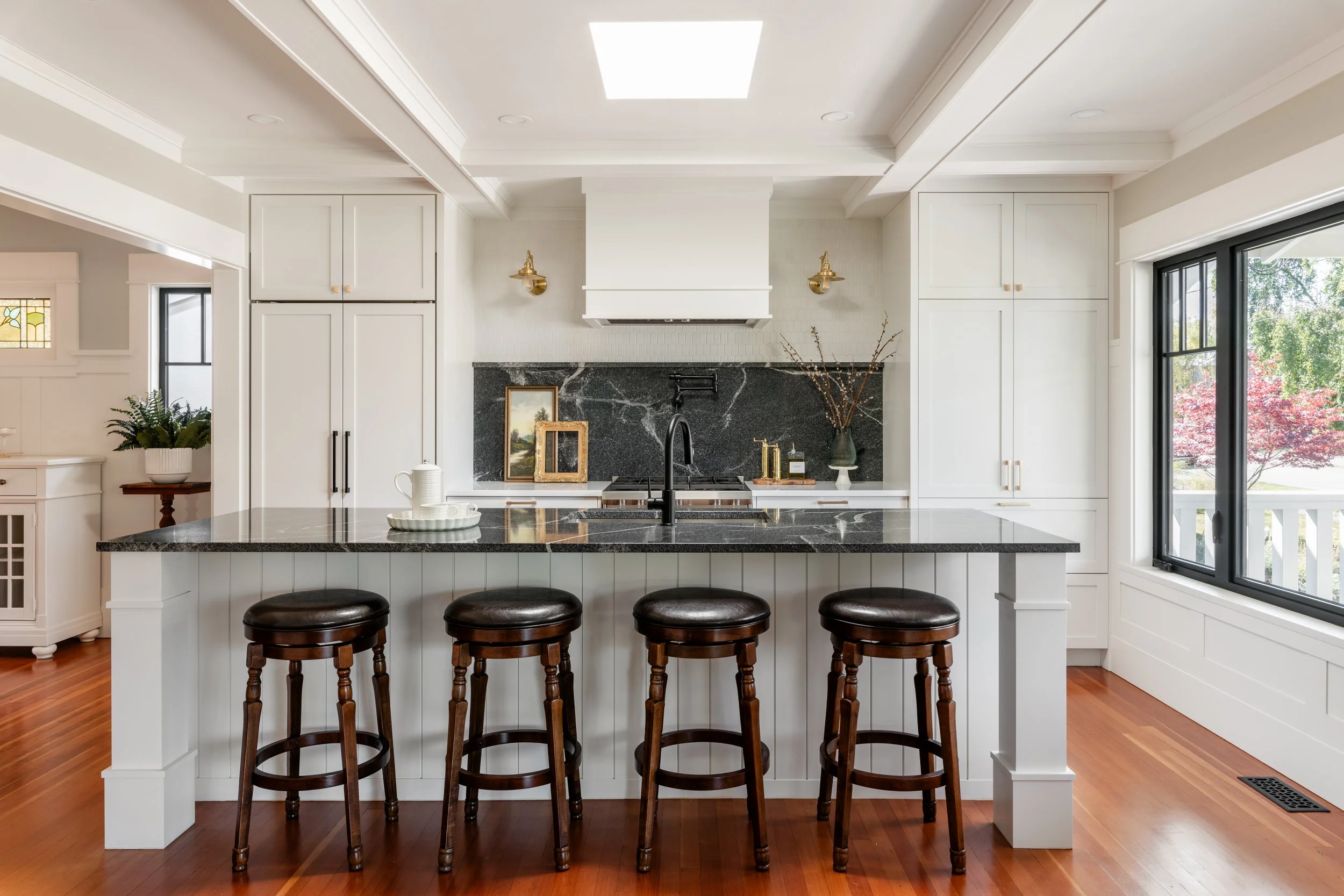
Disclosure: This post may contain recommended products from various brands and retailers. Some links may be affiliate links, meaning I may earn a small commission at no extra cost to you if you make a purchase. I only share pieces I truly love and believe will bring warmth and beauty into your home. These commissions help fund this blog, allowing me to continue sharing expert interior design recommendations, insights, and inspiration. Thank you for your support!
When renovating or designing your kitchen, one of the most important decisions you’ll make is selecting the perfect countertop material. Two of the most popular options on the market today are granite and quartz. While both offer unique advantages, they also come with distinct differences in terms of durability, maintenance, aesthetics, and cost. So, which one should you choose for your kitchen? In this post, we’ll compare granite and quartz, examining their pros and cons to help you make an informed decision.
Granite: The Classic Natural Stone
Granite is a natural stone that is quarried directly from the earth. It has long been a favorite choice for kitchen countertops due to its timeless appeal and strength. Each slab of granite is unique, offering a range of colors, patterns, and textures, which makes it an attractive option for homeowners looking for a one-of-a-kind design.
Pros of Granite Countertops
Durability
Granite is known for its exceptional durability. It’s one of the hardest materials available for countertops, which makes it highly resistant to scratches, heat, and general wear and tear. It can withstand the demands of a busy kitchen, where knives, hot pans, and spills are common.Natural Beauty
As a natural stone, granite comes with a wide variety of colors, patterns, and finishes. Whether you prefer subtle tones like beige and gray or bold, dramatic colors with swirling veins, there’s a granite option to fit every kitchen style. Its unique patterns ensure that no two slabs are exactly the same, adding a personalized touch to your space.Heat Resistance
Granite is naturally heat-resistant, meaning you can place hot pots or pans directly onto the countertop without causing any damage. This makes it an excellent choice for cooks who spend a lot of time preparing meals in the kitchen.Longevity
With proper care, granite countertops can last for decades. This makes granite a solid investment, as it can add value to your home and require very few replacements over time.
Cons of Granite Countertops
Sealing Required
One of the main downsides of granite is that it’s porous, which means it needs to be sealed regularly to protect it from stains, bacteria, and moisture. While sealing is a simple process, it does require periodic maintenance to keep the surface looking its best.Price
Granite countertops are often more expensive than other options, especially for higher-quality stones with unique patterns or rare colors. The cost of granite will depend on the size of your kitchen, the type of granite selected, and the complexity of the installation process. However, given its durability, it can still be a worthwhile investment.Potential for Cracking
While granite is incredibly durable, it can crack if subjected to significant impact or thermal shock. Care should be taken to avoid dropping heavy objects on the surface, and granite countertops should not be exposed to sudden temperature changes, such as placing a hot pan directly on the countertop without a trivet.
Quartz: The Engineered Stone Option
Unlike granite, quartz is an engineered stone, meaning it is man-made by combining natural quartz crystals with resins, pigments, and polymers. While quartz doesn’t have the unique, natural variations of granite, it offers its own set of benefits, particularly in terms of low maintenance and versatility.
Pros of Quartz Countertops
Non-Porous and Low Maintenance
One of the biggest advantages of quartz is that it is non-porous. Unlike granite, it does not need to be sealed, making it much easier to maintain. It resists stains, bacteria, and mold, making it an excellent choice for kitchen environments where spills are frequent.Variety of Designs and Colors
Quartz countertops come in a wide variety of colors and patterns. Since the stone is engineered, it can be made to replicate the look of natural stones like granite and marble, and it’s available in solid colors, as well as more complex patterns. The ability to customize the look of quartz countertops allows homeowners to find a perfect match for their kitchen design.Durability
Quartz is an extremely durable material. It’s resistant to scratches, stains, and impact. While not as heat-resistant as granite, quartz can still handle the demands of a busy kitchen. It’s also less prone to chipping or cracking compared to granite, making it a great choice for families with young children or heavy kitchen users.Eco-Friendly Options
Many quartz countertops are made with a percentage of recycled materials, such as glass, mirror pieces, or even granite waste. This makes quartz a more eco-friendly option for homeowners who are conscious about the environment.
Cons of Quartz Countertops
Heat Sensitivity
While quartz is heat-resistant to some extent, it’s not as heat-resistant as granite. It’s advisable to use trivets or hot pads when placing hot pots or pans on quartz countertops, as excessive heat can damage the surface and cause discoloration.Price
Like granite, quartz can be relatively expensive. The price is typically comparable to that of high-quality granite, and it can vary depending on the brand, color, and customization options. However, the lack of required sealing can save on long-term maintenance costs.Potential for Scratching
Although quartz is durable, it is not entirely scratch-proof. While it’s more resistant to scratching than granite, cutting directly on the surface can still leave marks. Using cutting boards is recommended to preserve the integrity of the countertop.
Granite vs. Quartz: Which is the Best Choice for Your Kitchen?
So, which countertop material is the best choice for your kitchen: granite or quartz? Both options have their unique benefits, and the right choice depends on your priorities.
Granite Might Be the Right Choice If You Want:
A natural stone with unique patterns and colors that can’t be replicated.
A highly durable surface that can withstand heat, scratches, and wear over time.
A material that adds value to your home and provides long-term investment.
Quartz Might Be the Right Choice If You Want:
A low-maintenance, non-porous surface that doesn’t require sealing.
A customizable look that can mimic the appearance of granite or marble.
A surface that’s resistant to stains, bacteria, and moisture with a consistent design.
Conclusion: Making the Final Decision
Both granite and quartz are excellent choices for kitchen countertops, each offering its own set of advantages. If you’re drawn to the beauty and natural variations of stone and don’t mind the extra maintenance of sealing, granite could be the ideal option. However, if you’re looking for a more low-maintenance and highly customizable option, quartz might be the better fit for your needs.
Ultimately, the best choice depends on your personal preferences, budget, and how much maintenance you're willing to invest in over time. Either way, both materials offer durability, elegance, and timeless appeal that will elevate the look and function of your kitchen for years to come.
Read More…
“I believe that if you are true to expressing yourself, coupled with the right amount of discipline and routine, your space can reflect your personality, and you can turn your home into your haven.”

The Complete Client Experience Template System
Discover a comprehensive, fully customisable suite of templates designed to guide you through every phase of your interior design projects.
From onboarding to approvals, proposals to presentations, this system supports a smoother, more polished process at every step.
Whether you're just starting out or refining your workflow, these templates help you lead with clarity, save time, and elevate your client experience from day one.