Japandi Interior Design: Balancing Warmth, Minimalism, and Timeless Function
Disclosure: This post may contain recommended products from various brands and retailers. Some links may be affiliate links, meaning I may earn a small commission at no extra cost to you if you make a purchase. I only share pieces I truly love and believe will bring warmth and beauty into your home. These commissions help fund this blog, allowing me to continue sharing expert interior design recommendations, insights, and inspiration. Thank you for your support!
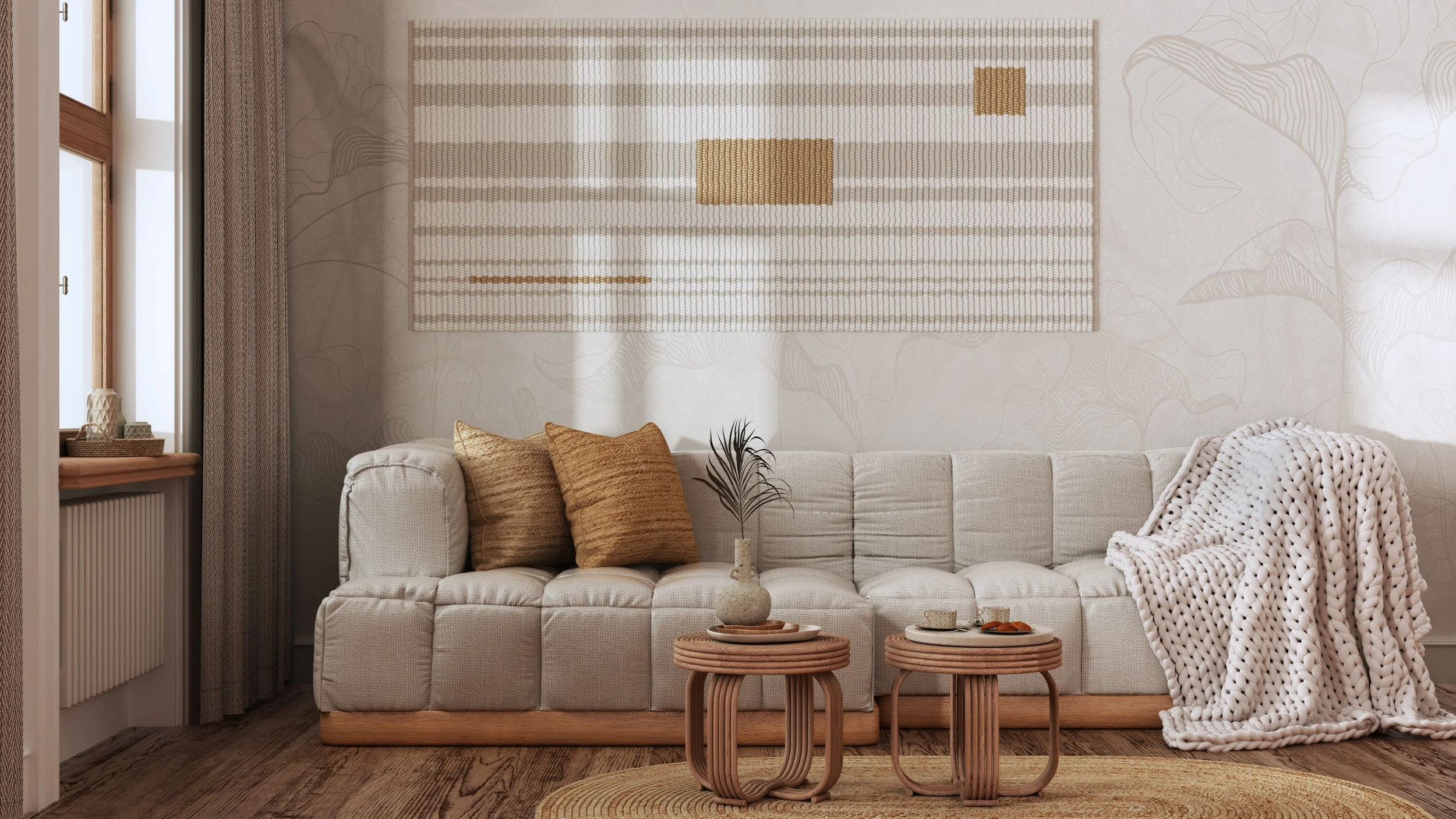
Japandi interior design has become one of the most enduring and widely searched design movements in recent years. Blending Japanese and Scandinavian design philosophies, Japandi offers a restrained yet inviting approach to interiors that prioritises calm, craftsmanship, and practical living.
Rather than functioning as a fleeting aesthetic trend, Japandi resonates because it aligns with deeper lifestyle values. It supports slower living, intentional consumption, and spaces that feel restorative without being austere. This article explores the core principles of Japandi interior design and how to apply them thoughtfully in residential settings.
Understanding the origins of Japandi design
Japandi design emerges from the intersection of Japanese and Scandinavian traditions. While these cultures are geographically distant, they share a respect for simplicity, nature, and functional beauty.
Japanese design principles emphasise restraint, imperfection, and harmony with nature. Scandinavian design focuses on comfort, light, and everyday usability. Japandi unites these ideas into a cohesive approach that feels both grounded and warm.
The result is an interior style that values meaning over excess and longevity over novelty.
Why Japandi interiors continue to trend
Japandi’s popularity reflects a broader shift away from visual excess and towards homes that support wellbeing. In an era of constant stimulation, Japandi interiors offer quiet clarity.
The movement also aligns with sustainability and mindful consumption. By prioritising quality materials and purposeful design, Japandi discourages over decoration and frequent replacement.
Its adaptability has further contributed to its longevity. Japandi works across a range of home types, from compact urban apartments to larger family homes, without losing its core identity.
Prioritising simplicity with warmth
At the heart of Japandi design is a balance between minimalism and comfort. Spaces are uncluttered, but never cold or impersonal.
Furniture is simple in form, with clean lines and low profiles, but softened through texture and proportion. Rather than stark emptiness, Japandi interiors feel intentional and calm.
This balance is achieved by editing thoughtfully. Each piece serves a purpose, whether functional, emotional, or aesthetic.
Using natural materials authentically
Material selection is central to Japandi interiors. Natural materials are used generously but honestly, allowing their inherent qualities to define the space.
Wood plays a dominant role, often in lighter Scandinavian tones or deeper Japanese inspired finishes. Stone, clay, linen, wool, and paper add tactile richness and visual depth.
Surfaces are typically matte or softly textured, avoiding gloss or high contrast finishes. This reinforces a sense of calm and reduces visual distraction.
Materials are chosen not only for appearance, but for how they age and perform over time.
Creating a restrained, earthy colour palette
Japandi colour palettes are muted and nature inspired. Soft whites, warm greys, beige, taupe, and gentle earth tones form the foundation.
Darker accents, such as charcoal, deep brown, or black, are used sparingly to add contrast and structure. These darker tones often reference Japanese design, grounding the lighter Scandinavian elements.
Colour transitions are subtle and layered, allowing light to interact naturally with the space throughout the day.
Focusing on craftsmanship and quality
Japandi interiors place high value on craftsmanship. Details are refined but understated, and quality is expressed quietly rather than overtly.
Furniture and joinery often feature visible construction details, such as exposed joints or simple silhouettes, that reflect honesty in design.
Handmade or artisanal elements add character and depth. Ceramics, textiles, and lighting with subtle variation reinforce the human touch that defines Japandi spaces.
This emphasis on craftsmanship supports longevity and emotional connection to the home.
Designing for functionality and flow
Functionality is non negotiable in Japandi interior design. Spaces are designed to support daily life with ease and clarity.
Layouts are efficient and intuitive, allowing movement to feel natural rather than forced. Storage is integrated discreetly to maintain visual calm.
Furniture placement encourages openness and flexibility, while still defining zones within open plan spaces.
The result is an interior that feels effortless to live in, even as it remains visually restrained.
Incorporating nature thoughtfully
Nature is a quiet but constant presence in Japandi interiors. This connection is achieved through materials, light, and occasional organic elements.
Plants are used selectively, often favouring sculptural forms or simple arrangements rather than abundance. This reinforces intentionality and balance.
Natural light is prioritised, and window treatments are minimal, allowing light to diffuse softly into the space.
Outdoor views are framed rather than concealed, strengthening the relationship between interior and exterior.
Avoiding common Japandi design mistakes
A common misconception is that Japandi interiors must be sparse or devoid of personality. When taken too far, restraint can result in spaces that feel unfinished.
Depth is essential. Texture, tonal variation, and thoughtful layering prevent the interior from feeling flat.
Another challenge is mixing influences without cohesion. Successful Japandi design requires balance. Overemphasising one influence can disrupt the harmony that defines the style.
The future of Japandi interior design
Japandi’s longevity lies in its values rather than its appearance. As homeowners continue to prioritise wellness, sustainability, and intentional living, Japandi principles will remain relevant.
Future interpretations may evolve through new materials, adaptive layouts, or regional influences, but the core focus on calm, function, and quality will endure.
Japandi will continue to adapt quietly, offering a timeless alternative to trend driven interiors.
Conclusion
Japandi interior design provides a refined framework for creating homes that feel balanced, warm, and enduring. By blending minimalism with comfort, craftsmanship with simplicity, and beauty with function, it supports a way of living that values clarity and care.
For homeowners seeking calm without austerity and design that ages gracefully, Japandi offers a thoughtful and lasting approach.
Read More…
“I believe that if you are true to expressing yourself, coupled with the right amount of discipline and routine, your space can reflect your personality, and you can turn your home into your haven.”

The Complete Client Experience Template System
Discover a comprehensive, fully customisable suite of templates designed to guide you through every phase of your interior design projects.
From onboarding to approvals, proposals to presentations, this system supports a smoother, more polished process at every step.
Whether you're just starting out or refining your workflow, these templates help you lead with clarity, save time, and elevate your client experience from day one.