Interior Design vs Construction: Where the Two Meet
Disclosure: This post may contain recommended products from various brands and retailers. Some links may be affiliate links, meaning I may earn a small commission at no extra cost to you if you make a purchase. I only share pieces I truly love and believe will bring warmth and beauty into your home. These commissions help fund this blog, allowing me to continue sharing expert interior design recommendations, insights, and inspiration. Thank you for your support!
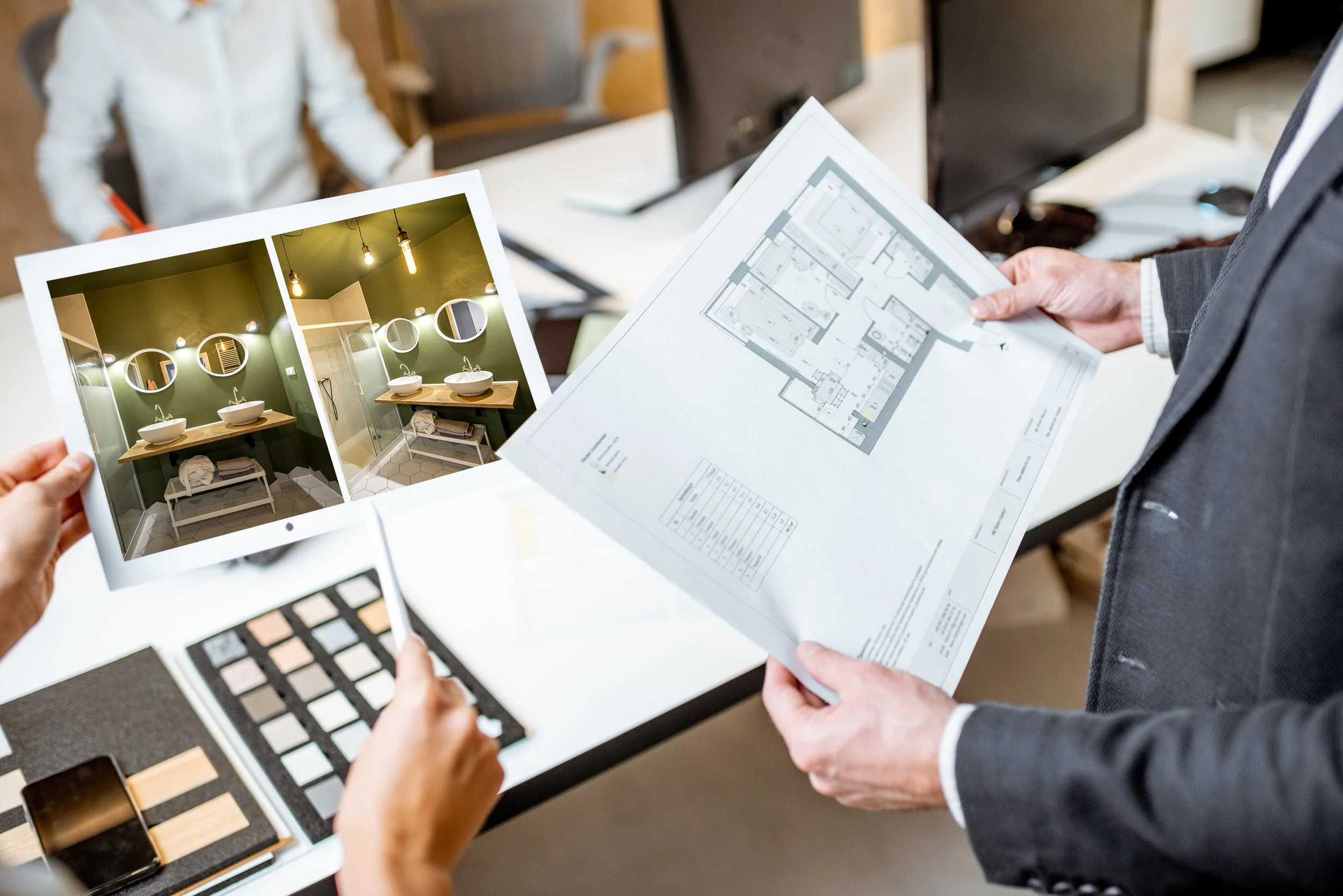
Interior design and construction are often viewed as separate disciplines, but in reality, they rely heavily on one another to create functional, safe, and beautiful spaces. Construction focuses on building the structural framework—from foundations and walls to plumbing and electrical systems—while interior design enhances the interior environment through aesthetics, usability, and human-centered planning. When these two fields work together, they shape every detail of a space, from its structural layout to its visual atmosphere.
This guide explores how the two industries intersect, where they differ, and why successful projects require both.
What Is Interior Design?
Overview
Interior design is the art and science of shaping interior environments to improve functionality, aesthetic appeal, and overall comfort. Designers consider how people use spaces, how spatial layouts influence behaviour, and how materials and finishes contribute to the overall experience.
Unlike simply decorating, interior design involves technical knowledge, spatial planning, and collaboration with architects and contractors to ensure every element works cohesively.
Key Responsibilities of Interior Designers
Interior designers are involved in a wide range of tasks, including:
Planning room layouts and ensuring efficient space flow
Selecting materials, finishes, furniture, and fixtures
Coordinating lighting design and colour schemes
Enhancing comfort and usability for occupants
Collaborating with architects, contractors, and builders
Ensuring compliance with building codes and accessibility standards
Producing drawings, renderings, and technical plans
Guiding clients on style directions and functional improvements
Interior design bridges creativity and practicality. A designer’s choices influence how a space feels, how it works, and how people experience it on a daily basis.
How Interior Design Impacts a Project
Interior design plays a major role in shaping the end result of any construction or renovation project:
It improves usability by planning layouts that support how people live, work, and move through a space.
It enhances visual appeal with cohesive colours, materials, and decor.
It maximizes space by making small rooms feel larger and large rooms feel purposeful.
It increases property value with thoughtful design choices and high-quality finishes.
It ensures that the final environment aligns with the homeowner’s personality and lifestyle.
Interior designers are responsible for transforming a built structure into a comfortable, visually pleasing, and functional environment.
What Is Construction?
Overview
Construction is the process of physically building a structure—from initial groundwork and framing to installing utilities and finalizing structural elements. This field ensures that a building is strong, durable, and compliant with safety regulations. Construction professionals turn architectural and design plans into reality.
Key Responsibilities in Construction
Construction teams are responsible for:
Preparing the site and creating the structural framework
Building foundations, walls, floors, and roofs
Installing plumbing, HVAC, and electrical systems
Ensuring adherence to zoning codes, building regulations, and safety guidelines
Managing materials, labour, and project timelines
Coordinating with architects, engineers, and interior designers
Ensuring durability, stability, and weather resistance
Overseeing inspections throughout the building process
Construction prioritizes functionality and safety at every stage of the project.
How Construction Shapes Interior Spaces
Construction establishes the physical constraints and opportunities that interior design must work within:
The structural framework outlines which walls can move and which cannot.
Engineering decisions determine ceiling heights, window placements, and load-bearing elements.
Placement of plumbing and electrical systems influences kitchen and bathroom layouts.
Material choices during construction set the stage for finishes, fixtures, and lighting.
Without construction, interior design has no foundation—and without interior design, the construction would result in empty, unrefined structures.
Where Interior Design and Construction Overlap
Interior design and construction collaborate at many stages of a project. Their overlap is essential for achieving both practical and aesthetic goals. Here’s where the two disciplines meet and depend on one another.
1. Space Planning and Layout Development
Space planning determines how people will use a room and how energy flows through it. Designers create functional, visually balanced layouts, while construction teams bring those plans to life.
This collaboration includes:
Determining wall placements and room shapes
Ensuring layout ideas are structurally feasible
Coordinating doorway locations, window placements, and circulation paths
Adjusting architectural plans based on usability and aesthetic goals
Architects often act as intermediaries, ensuring the final space balances creative vision and construction limitations.
2. Material Selection and Finishing Touches
Designers choose materials based on aesthetics and function—construction teams ensure they are installed safely and correctly.
Examples include:
Flooring that must be visually appealing but also durable and suitable for the room’s usage
Countertops and cabinetry that require both design cohesion and precise construction
Wall treatments such as panels, tiles, or plaster that rely on expert installation
Hardware, fixtures, and trims that must be properly fitted to align with design specifications
Both disciplines work together to ensure the finishes look beautiful and last for years.
3. Lighting and Electrical Planning
One of the most crucial areas of overlap is lighting design. Interior designers determine where lighting is needed for ambience, task work, and visual balance. Construction teams implement the electrical infrastructure that supports the designer’s plan.
This requires coordination to ensure:
Outlet and switch placements match layout needs
Light fixtures are positioned for maximum functionality
Wiring is safe, efficient, and meets building standards
Ceiling and wall structures can physically support lighting choices
Without collaboration, lighting can easily become an afterthought, leading to poor usability and costly revisions.
4. Structural Modifications and Custom Builds
Design choices often require structural changes, especially in renovations.
Examples include:
Removing or adding walls to create open-plan spaces
Reinforcing ceilings for heavy light fixtures
Building custom cabinetry, shelving, or architectural features
Adding beams, columns, or decorative elements that still meet engineering requirements
Designers conceptualize these ideas, while construction teams determine structural viability and execute them safely.
5. Compliance with Building Codes and Regulations
Whether constructing or designing, both teams must follow local building codes, ensuring the structure is safe and accessible.
Compliance includes:
Fire safety regulations
Proper ventilation and HVAC requirements
Electrical and plumbing standards
Accessibility laws such as ADA or universal design guidelines
Structural engineering requirements for load-bearing elements
Interior designers integrate accessible layouts, proper clearances, and safe material selections, while construction teams ensure all installations and modifications are legally compliant.
Key Differences: Interior Design vs Construction
While they often overlap, interior design and construction have distinct roles and approaches.
Focus
Interior Design: Enhances aesthetics, comfort, and the user experience.
Construction: Focuses on building, safety, and structural execution.
Skills
Interior Design: Space planning, materials, lighting, furniture, and decor.
Construction: Engineering, safety regulations, zoning, and physical building.
Tools
Interior Design: CAD software, SketchUp, Revit, Adobe tools.
Construction: Blueprints, BIM systems, machinery, and construction tools.
Project Impact
Interior Design: Improves usability, visual appeal, and emotional connection.
Construction: Ensures durability, function, and long-term structural strength.
Role in Projects
Interior Design: Works on finishes, layouts, furnishings, and interior improvements.
Construction: Executes foundational structure, utilities, and major building tasks.
Who Should Work with Both Industries?
Homeowners
Homeowners benefit immensely from combining construction expertise with interior design guidance:
Renovations run more smoothly when designers and contractors collaborate.
Projects become more cost-effective when planned as a unified process.
A balance of beauty and practicality increases long-term property value.
Proper coordination reduces the risk of mistakes and rework.
Working with both ensures a home is not only beautifully designed but also structurally safe and functional.
Real Estate Developers
Developers rely on both fields to create market-ready homes and commercial spaces:
Interior designers help create desirable, sellable interiors.
Construction teams ensure all structural and regulatory requirements are met.
Collaboration optimises room layouts, usability, and visual appeal.
A cohesive design–construction process leads to higher buyer satisfaction.
Architects and Builders
Architects and builders work closely with interior designers to refine architectural plans, integrate finishes, and align design concepts with engineering constraints.
This teamwork allows for:
Better integration of lighting, materials, and spatial flow
Seamless installations of architectural features
Efficient coordination on structural modifications
A stronger balance between aesthetics and safety
Together, they create spaces that are both functional and beautiful.
Final Thoughts
Interior design and construction are two essential pillars of any successful building or renovation project. Construction establishes the framework—ensuring safety, structure, and long-term durability—while interior design shapes how a space looks, feels, and functions on a daily basis. When both teams collaborate from the start, the result is a well-planned, efficient, and visually cohesive environment that truly enhances the way people live and work.
Whether you’re a homeowner planning a renovation, a developer managing a large build, or a designer working with contractors, understanding how these fields intersect will lead to smoother projects and far more successful outcomes.
“I believe that if you are true to expressing yourself, coupled with the right amount of discipline and routine, your space can reflect your personality, and you can turn your home into your haven.”

The Complete Client Experience Template System
Discover a comprehensive, fully customisable suite of templates designed to guide you through every phase of your interior design projects.
From onboarding to approvals, proposals to presentations, this system supports a smoother, more polished process at every step.
Whether you're just starting out or refining your workflow, these templates help you lead with clarity, save time, and elevate your client experience from day one.